
Egypt officially launches DHIS2 as part of its national health information system
The Ministry of Health and Population, UNICEF, and University of Oslo mark a major milestone in Egypt’s digital health transformation.
The Ministry of Health and Population of Egypt has officially launched DHIS2 as part of the country’s national health information system, marking a significant step forward in strengthening data-driven decision-making and digital transformation across the health sector.
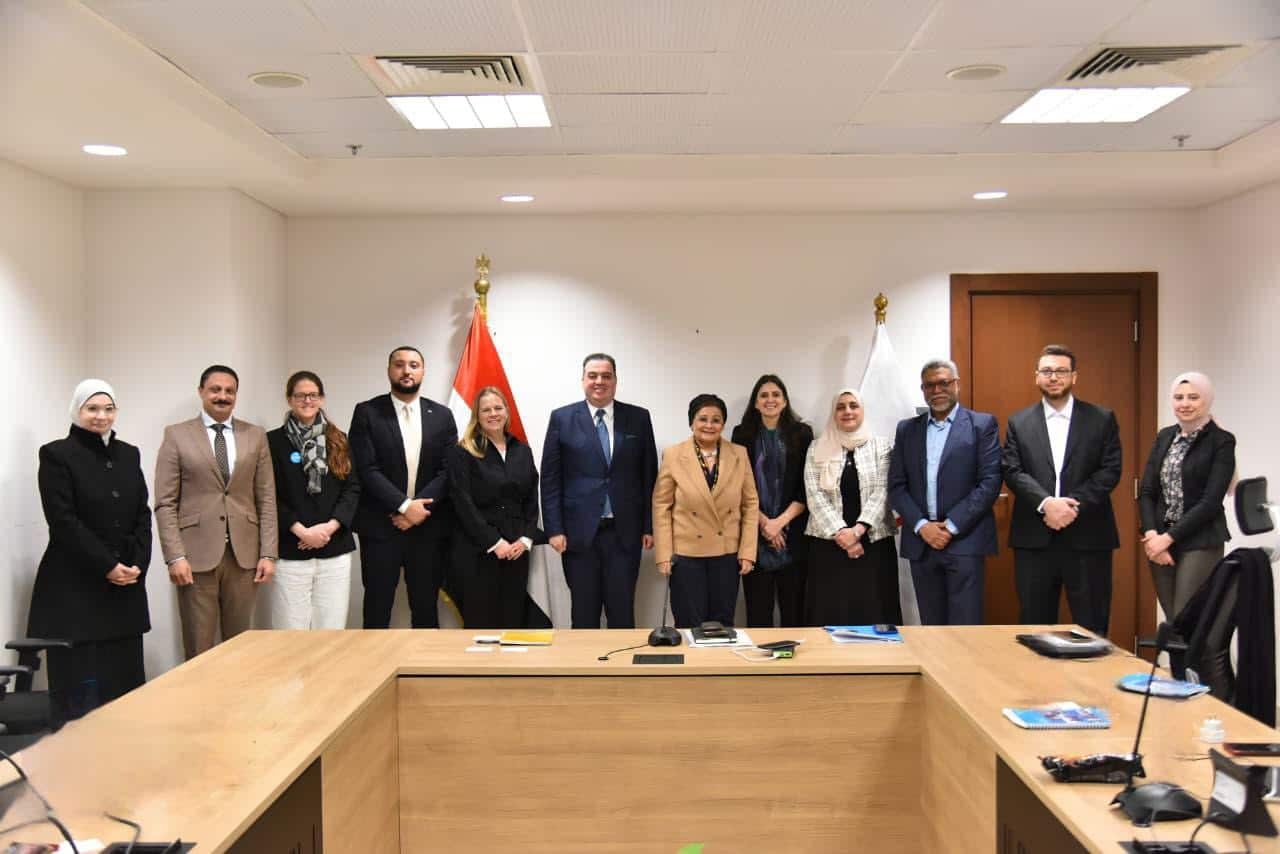
The launch was marked by a high-level coordination meeting on 18 January chaired by Dr. Abla Alfi, Deputy Minister of Health and Population for Population Affairs and Family Development, and attended by Dr. Amr Ayd, Assistant Minister for Information Systems and Digital Transformation, along with senior ministry leaders. The event brought together national and international partners, including representatives from UNICEF Egypt, the HISP Centre at the University of Oslo, HISP MENA, and the Royal Norwegian Embassy in Cairo, reflecting strong collaboration in support of Egypt’s digital health agenda.
DHIS2 is an open-source data platform used in more than 80 countries to collect, manage, analyze, and visualize health data at both aggregate and individual levels. Its adoption in Egypt aligns with the ministry’s broader digital transformation strategy and ensures full national ownership of health data, strong governance, and compliance with privacy and integration requirements.
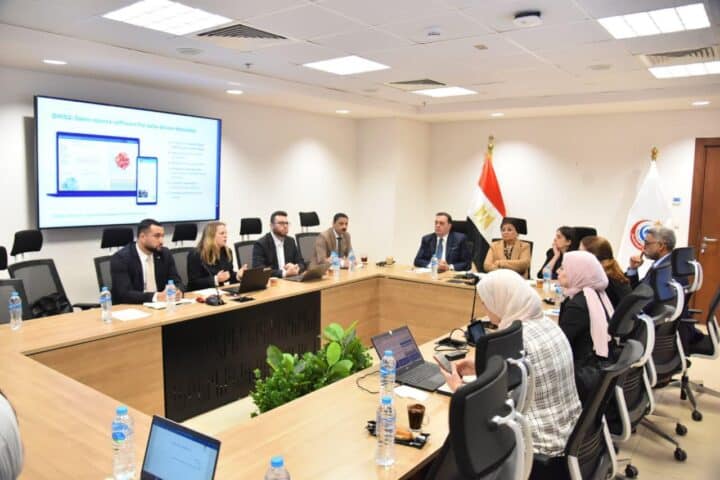
Dr. Abla Alfi emphasized that DHIS2 represents a key milestone in building an integrated and sustainable national health information system, supporting coherent tracking of health services and population programs, improving performance measurement, and enhancing the quality of services provided to citizens. She highlighted successful early use cases in Egypt, including tracking services for Sudanese and Palestinian arrivals from Gaza, measles surveillance, child growth monitoring, vaccine cold chain management, and the conversion of data into accurate individual-level records to support evidence-based decision making.
Over the past year, DHIS2 implementation in Egypt has already delivered measurable results, including recording more than 180,000 consultations for emergency evacuees from Gaza across 189 sites, nutrition screening for approximately 20,000 Sudanese refugee children, school health screenings covering more than 100,000 children, and tuberculosis follow-up for 7,500 cases across 57 treatment centers.
The official launch coincided with the start of a national DHIS2 training program, led by HISP MENA in partnership with the Ministry of Health and Population and UNICEF Egypt, focused on data model design, governance, and long-term national capacity building. Dr. Amr Ayd noted that DHIS2 directly supports Egypt’s National Digital Health Strategic Priorities 2025–2029, enabling improved data quality, unified indicators, advanced analytics, and real-time decision support as the system scales nationwide.
HISP MENA has worked to strengthen national capacity through the formation and mentoring of in-country teams. These efforts focused on building sustainable local expertise in DHIS2 configuration and use, including Tracker configuration and utilization, aggregated data set design, data analysis and visualization. Through a series of intensive training sessions, hands-on mentorship, and continuous technical support, HISP MENA worked closely with Egyptian local government teams to enhance ownership and ensure long-term sustainability. This approach aims to sustain ongoing digital health initiatives and position national teams to effectively lead upcoming large-scale projects across multiple health and non-health sectors.
UNICEF reaffirmed its commitment to supporting Egypt’s digital health agenda in line with Egypt Vision 2030, emphasizing that strengthening digital health systems is ultimately about improving outcomes for children, families, and health workers by turning data into actionable information and identifying gaps early.
With strong national leadership and sustained partner collaboration, DHIS2 is set to play a central role in advancing accountability, performance monitoring, and resilient health systems across Egypt.
For media inquiries, email comms@dhis2.org.