
Malawi Launches Project to Strengthen Surveillance of Climate-Sensitive Diseases with DHIS2
The Ministry of Health, with support from GIZ and HISP UNIMA, will integrate climate and health data in the national HMIS and One Health Surveillance Platforms to enable early warning and response.
Health officials in Malawi are launching an initiative to strengthen surveillance of climate-sensitive diseases by integrating climate and environmental data into the country’s national health information systems. It aims to make Malawi’s health system more climate resilient by embedding predictive analytics and early warning capabilities into its DHIS2 platforms and strengthening system interoperability.
This work is supported by the Global Program for Pandemic Resilience, One Health (PPOH), a joint project commissioned by BMZ (the German Federal Ministry for Economic Cooperation and Development) and implemented by Germany’s development agency, the Deutsche Gesellschaft für Internationale Zusammenarbeit (GIZ), with technical assistance from HISP University of Malawi (UNIMA).
The initiative addresses critical system fragmentation in Malawi’s current health surveillance infrastructure, where climate, health and environmental data exist in separate systems, preventing health officials from correlating weather patterns with disease trends. The fragmented data ecosystem has limited the country’s ability to anticipate and respond effectively to climate-driven health threats.
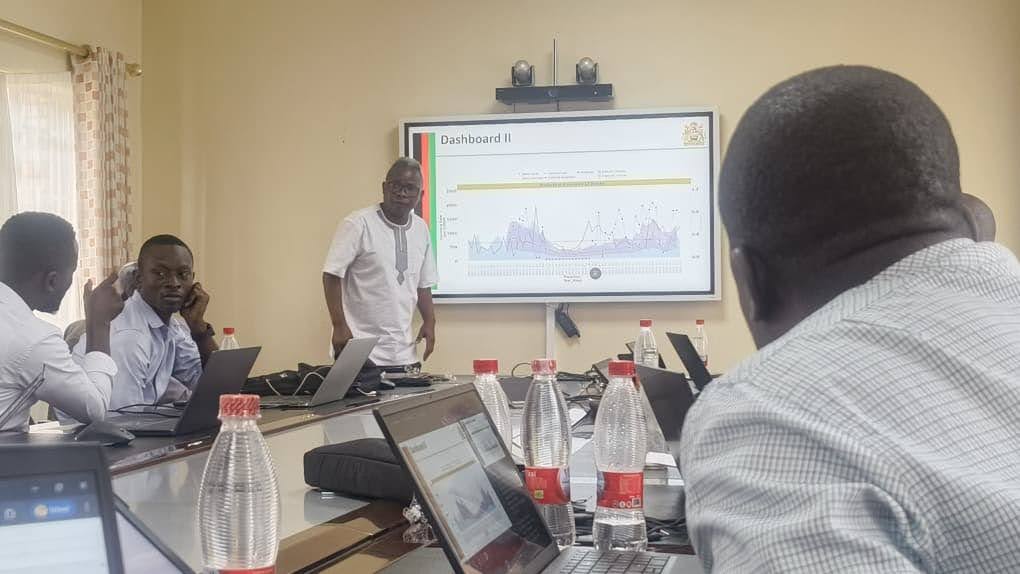
“Malawi faces rising climate-sensitive disease burdens, yet her health system lacks the integrated data tools needed to anticipate and respond effectively,” said Tiwonge Manda, project lead at HISP UNIMA, during a Feb. 10 kickoff event. “By integrating climate data into Malawi’s national health systems, we empower decision-makers to predict, prepare for and prevent climate-sensitive health threats.”

The project will deploy innovative DHIS2 climate and health tools–including the Chap Modeling Platform and tools for climate data integration–on Malawi’s DHIS2-based health management information system (HMIS) and One Health surveillance platform (OHSP), and facilitate interoperability with the national Early Warning, Alert and Response (EWARS) system supported by the WHO. HISP UNIMA, a key technical partner of Malawi’s Ministry of Health and part of the global HISP network, will lead implementation.
The system will enable predictive modeling for selected climate-sensitive diseases, generate climate-informed early warning alerts and produce dynamic risk maps and dashboards to inform response decisions. The initiative will also strengthen governance mechanisms by supporting the Ministry of Health and its stakeholders, developing digital tools to track climate-health interventions and facilitating coordination among development partners.
Initial implementation will focus on four districts, with plans to scale to additional districts and climate-sensitive diseases over time. The project, which began in December 2025, is scheduled to run through March 2027.
This work in Malawi builds on the tools and knowledge generated through the ongoing DHIS2 Climate & Health project, and marks the first collaboration between HISP and GIZ within this larger initiative. We look forward to deepening our partnership with GIZ and other organizations to help strengthen climate resilient health systems in the global south.