The DHIS2 Annual Conference takes place from 15-18 June 2026! Learn more


The DHIS2 Annual Conference takes place from 15-18 June 2026! Learn more
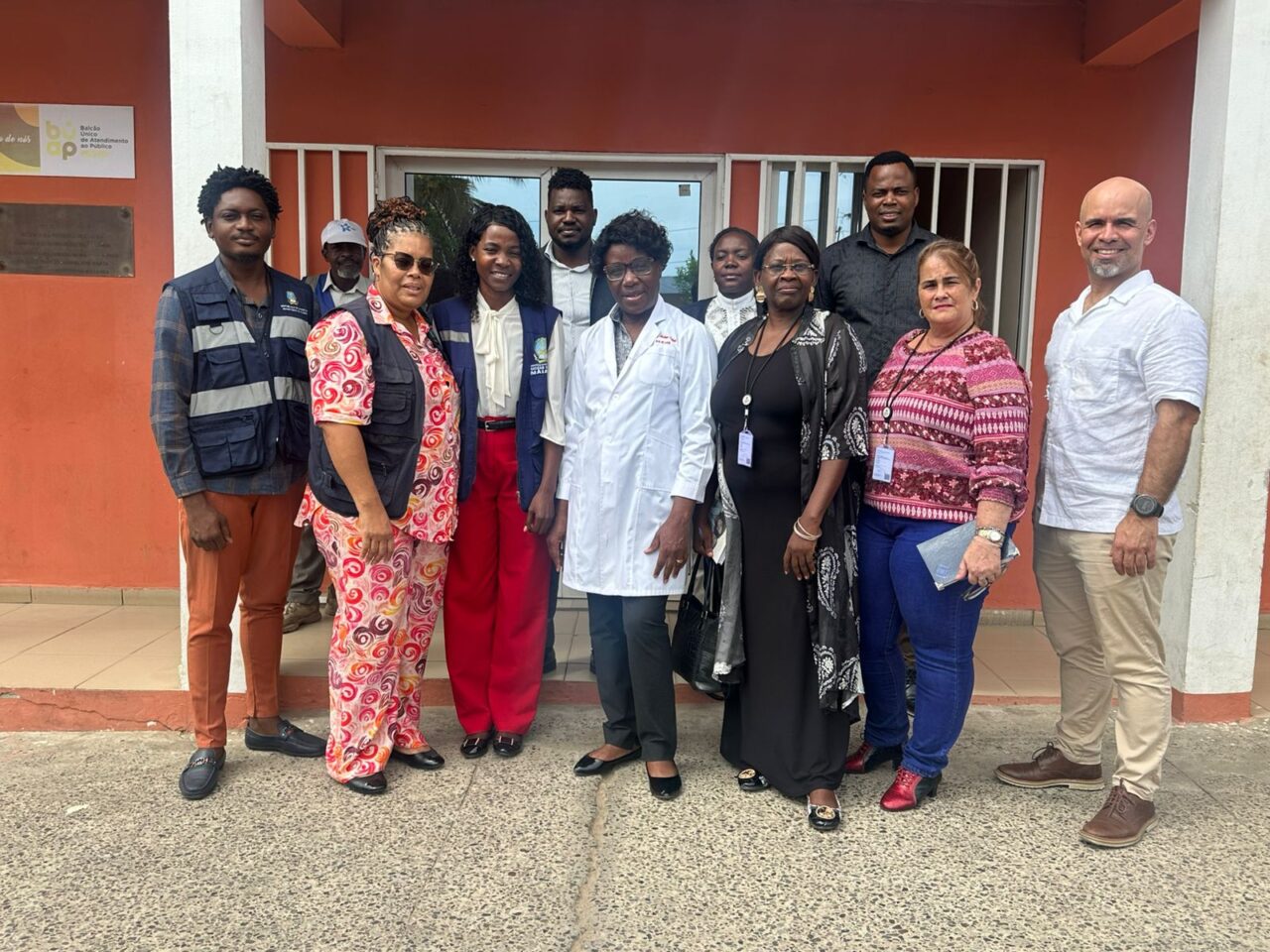
A technical mission to Angola in March 2026 assessed the country’s national health information system, laying the groundwork for a major push on system performance, data harmonization, and health worker capacity.
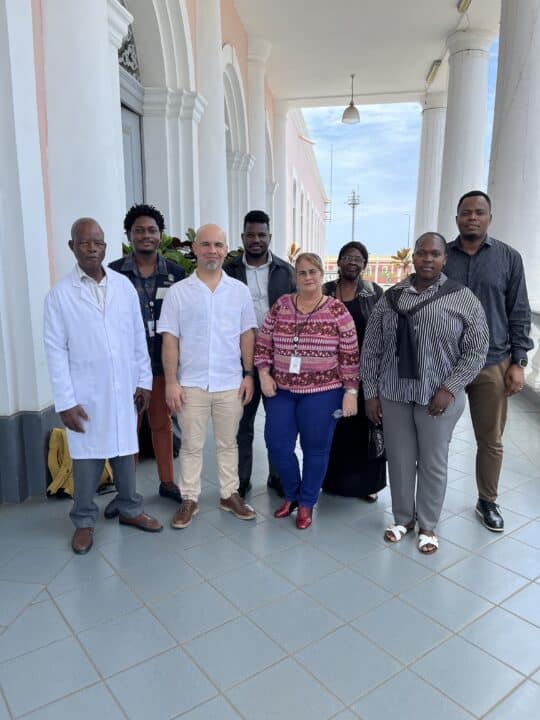
Angola’s Ministry of Health (MINSA) is moving forward with a comprehensive strengthening of its national health information system following a joint technical mission carried out in March 2026 by the World Health Organization’s Angola country office and the HISP Centre at the University of Oslo (HISP UiO), with Mozambique-based HISP partner Saudigitus.
The mission assessed the current state of Angola’s DHIS2-based system—which now serves more than 4,700 registered users—and identified priorities for its next phase of development. Findings confirmed that DHIS2 is functioning as a strong national platform, with a growing base of digital tools and data that, with continued investment, can deliver greater value for health decision-making at all levels.
A key initiative emerging from the mission focuses on strengthening Angola’s national supply chain systems and improving integration with electronic logistics management information systems (eLMIS). The effort prioritizes interoperability between platforms and supports a broader strategic shift toward country-owned, open-source solutions that can be sustained and managed locally, including in crisis contexts. Angola’s existing systems have already demonstrated this kind of resilience, remaining operational under challenging conditions and underlining their value as reliable national infrastructure.
The assessment also identified other areas requiring attention: system uptime and performance, user support, infrastructure, and coordination across the health system. Data availability was recognized as a foundation to build on, with investment in both systems and people expected to improve its utility for decision-makers.
Based on the mission’s findings, MINSA and its partners have agreed on a set of priority next steps: upgrading and optimizing the DHIS2 platform, harmonizing data across reporting streams, and developing improved dashboards tailored to decision-makers’ needs. Capacity building across all levels of the health system rounds out the plan. These activities will be undertaken with technical support from HISP UiO and Saudigitus through a collaborative implementation plan where technical staff will be trained through implementation activities.
The work reflects a shared commitment to a sustainable, interoperable, and country-owned health information system, one built to support better health outcomes for Angola’s population.