The DHIS2 Annual Conference takes place from 15-18 June 2026! Learn more
Articles related to DHIS2 Tracker
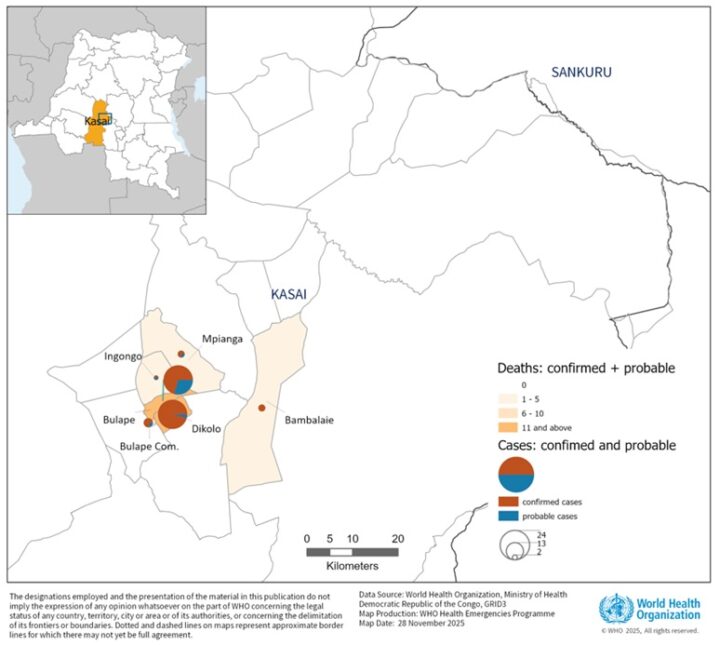
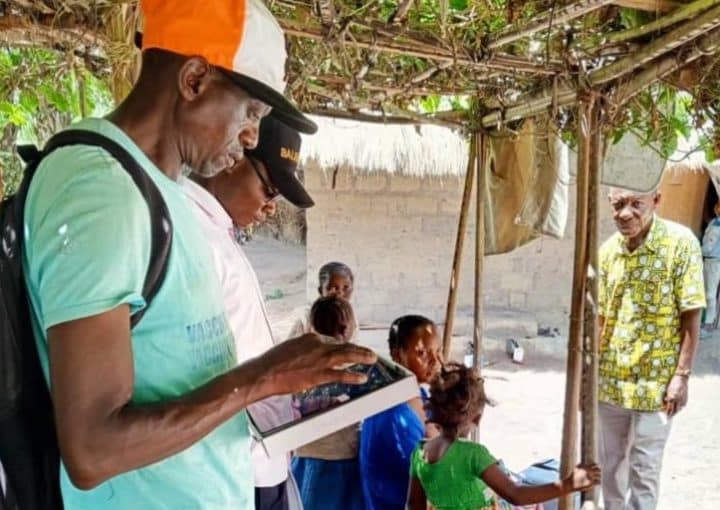
DHIS2 was at the center of the Democratic Republic of the Congo’s response to the 2025 Ebola outbreak, helping health authorities to quickly detect cases, follow up contacts, and coordinate across partners
Tanzania’s Ministry of Health has introduced an AI-based DHIS2 integration for event-based surveillance of outbreak-prone diseases, reducing average time to triage for the majority of submitted alerts from 36 hours to almost instantaneous.
The Assistance Coordination Unit has deployed a DHIS2-based e-Tracker for immunization data management, registering more than 242,000 children and enabling health workers to track progress in real time.
Pakistan’s National TB Control Program has used a DHIS2-based TB Tracker system to boost case detection, treatment success rates, and data management and reporting across the country, registering more than 200,000 cases electronically in the last year, and increasing case detection rates from 75% to up to 95%
Eswatini and The Gambia have adopted the DHIS2 SEMIS App to transition from aggregate to individual-level education data, providing more granular information in close to real time.
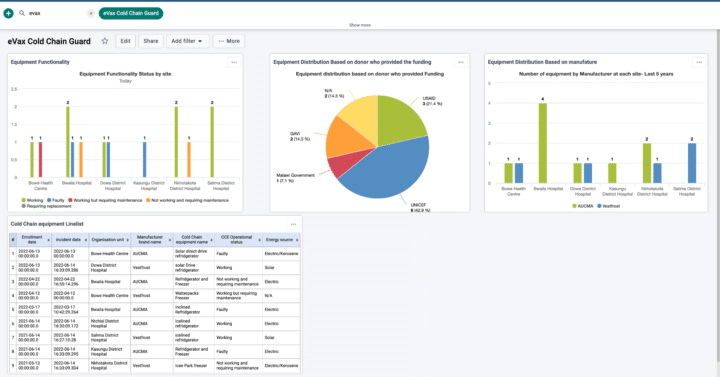
Malawi’s Ministry of Health used DHIS2 Tracker to register and manage its vaccine cold chain equipment, cataloging more than 300 pieces of equipment across 20 districts in only four weeks, and reducing inventory reporting time from years to minutes.
Health officials in Mozambique used DHIS2 Tracker for real-time monitoring and micro-planning to reach more than 19,000 zero-dose and under-immunized children in five priority provinces, part of a nationwide immunization effort.
Rwanda uses a new NCD tracker in DHIS2 to identify patients and enroll them in treatment, increasing the screening rate of the target population from only 30% to more than 91% in the first two years.
Using DHIS2 for polio vaccination campaign management, health workers in two districts of the DRC achieved 96% coverage for children under age 5, including hundreds of “zero dose” cases
After switching to DHIS2, health authorities in Laos improved reporting rates of notifiable diseases from 68% to more than 80%, and can identify, investigate, and respond to notifications in a matter of days, stopping potential disease outbreaks in their tracks
The Ministry of Health and Population in Egypt uses DHIS2 Tracker to help screen and treat malnutrition cases among refugees from the ongoing conflict in Sudan, and to manage the diagnosis, referral, and treatment of injured civilians from the Gaza conflict.
The Maldives uses DHIS2 as an Electronic Immunization Registry, helping to register and verify vaccinations for newborn children across almost 190 islands and catalyzing digitalization across the health sector
The Ministries of Health of Tanzania and Ethiopia have integrated laboratory data from GeneXpert machines with DHIS2 to achieve seamless transfer of TB and COVID-19 test results, improving program management and patient follow-up
The Ministry of Health of Chile independently developed a cloud-based implementation of DHIS2 at national scale — improving effectiveness and lowering costs — using public documentation, free training material, and input from the global DHIS2 community
The PEPFAR- and USAID-funded EpiC project used DHIS2 Tracker to improve HIV management data accuracy from 58% to 90% in four Liberian high-volume facilities, helping ensure that up to 2,000 additional people received HIV care