The DHIS2 Annual Conference takes place from 15-18 June 2026! Learn more


The DHIS2 Annual Conference takes place from 15-18 June 2026! Learn more
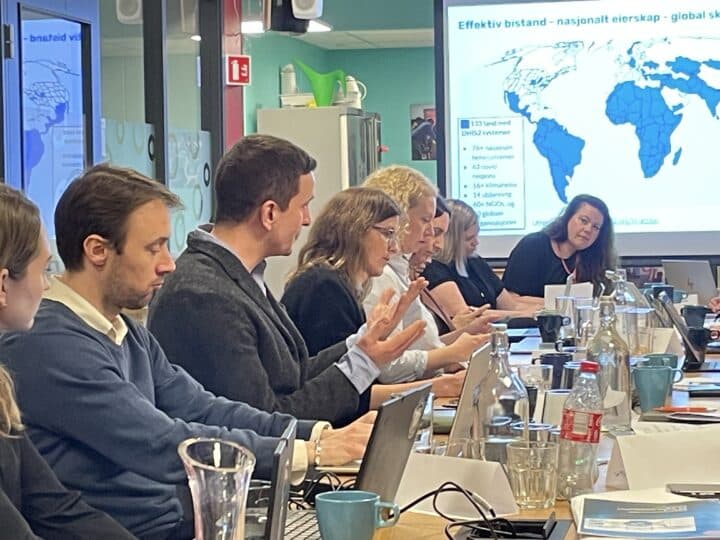
The DHIS2 platform is developed and maintained by the HISP Centre at the University of Oslo as part of Norway’s long-term efforts to strengthen health information systems in the global south. In recent years, several Norwegian organizations have also started using DHIS2 in Norway to help improve public health, preparedness, and more.
DHIS2 is an open-source software platform for data collection, management, visualization, and analysis at scale. DHIS2 is developed and implemented by the HISP network, a global collaboration between the HISP Centre at the University of Oslo and local HISP groups in Africa, Asia, the Middle East, and the Americas. Begun as an action research project in post-Apartheid South Africa in 1994, DHIS2 has evolved and grown to become the world’s largest health management information system and a leading example of a Digital Public Good. HISP’s work with local stakeholders and global partners over more than 30 years has supported the adoption of DHIS2 as a locally-owned information system in more than 100 countries.
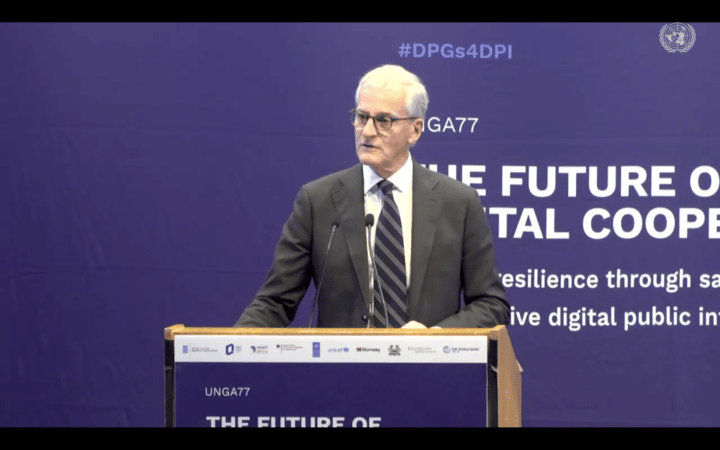
Norway has supported the development of DHIS2 from the beginning. The Norwegian Agency for Development Cooperation (Norad) has been a long-term HISP partner, providing financial support for DHIS2 as a key component of their strategy for global health security and health system strengthening in low- and middle-income countries. HISP and DHIS2 have also been supported by grants from the Norwegian Research Council, and continue to receive institutional support from UiO.
While the HISP Centre’s international work has achieved national and international recognition, interest in using DHIS2 locally in Norway only took off during the Covid pandemic, when it filled a critical gap in the Norwegian health system. This allowed Norway to benefit from years of investment and innovations from the global south while also sharing Norwegian expertise and technological advancements back to the global community. Since then, additional Norwegian organizations have begun to use DHIS2. As concerns about digital sovereignty, “big tech,” and vendor lock-in increase, DHIS2 provides a locally developed, locally owned, and license-free solution for information systems needs across a range of sectors.
Since 2020, several Norwegian organizations have turned to DHIS2 as a cost-effective, open-source digital solution, empowering real-time analysis and data-driven decisions.
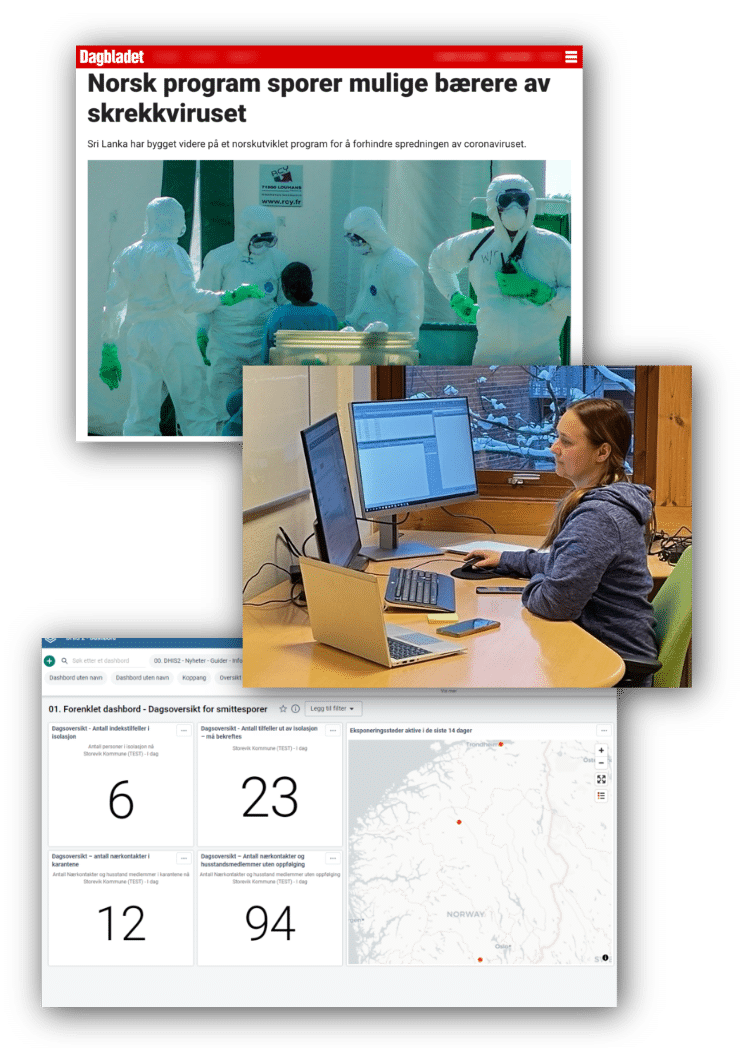
In Norway, all municipalities are responsible for pandemic readiness and response. When the Covid pandemic hit Norway in March 2020, it quickly became clear that there were no digital health tools available to help local authorities organize their disease surveillance. Several municipalities contacted the HISP Centre to ask about the potential to use the DHIS2 tools for Covid response that had been developed with DHIS2 by countries in the global south. In response to the growing demand, the Norwegian Association of Local and Regional Authorities (KS) decided to take on responsibility for developing a generic contact tracing tool in partnership with the HISP Centre. This new DHIS2-based service, Fiks smittesporing, was integrated with several government databases to increase speed and accuracy of data entry and facilitate cross-cutting analysis and made available to any municipality that wished to use the tool through the KS portal. By the end of 2021, more than 3,000 users in 130 municipalities were using Fiks to manage records on more than 330,000 people, supporting a more effective pandemic response. Following the pandemic, Fiks smittesporing evolved into Fiks smittevern, a general purpose tool for pandemic readiness, which is in ongoing use for surveillance of tuberculosis and other infectious diseases in Norway.
This system is an excellent example of the mutual benefits that can be achieved between the global north and south through digital public goods and open sharing of innovations and knowledge. Norway was able to draw on solutions first implemented and refined in Asia and Africa to rapidly scale up a digital contact tracing system, while advances to these systems made in Norway thanks to Norwegian public health expertise and technological requirements were shared back through the DHIS2 platform to benefit the global community.
In September 2025, the Norwegian Institute of Public Health (FHI) launched a new DHIS2-based municipal health dashboard system after rapidly developing and piloting it over the course of just nine months. The new system, called KoSy (Kommunens sykdomsoversikt), enables municipal chief medical officers across the country to securely access timely and relevant public health data from national registers, which include records of notifiable diseases for disease surveillance, immunization registries to monitor local vaccination levels, and more. This project marks a significant step forward in making critical health data available at the local level—while navigating Norway’s stringent data privacy and infrastructure constraints. One district medical officer who was interviewed about the KoSy project called it a “quantum leap” in the ability to monitor municipal public health and plan effectively. By early 2026, almost 200 Norwegian municipalities had adopted KoSy.

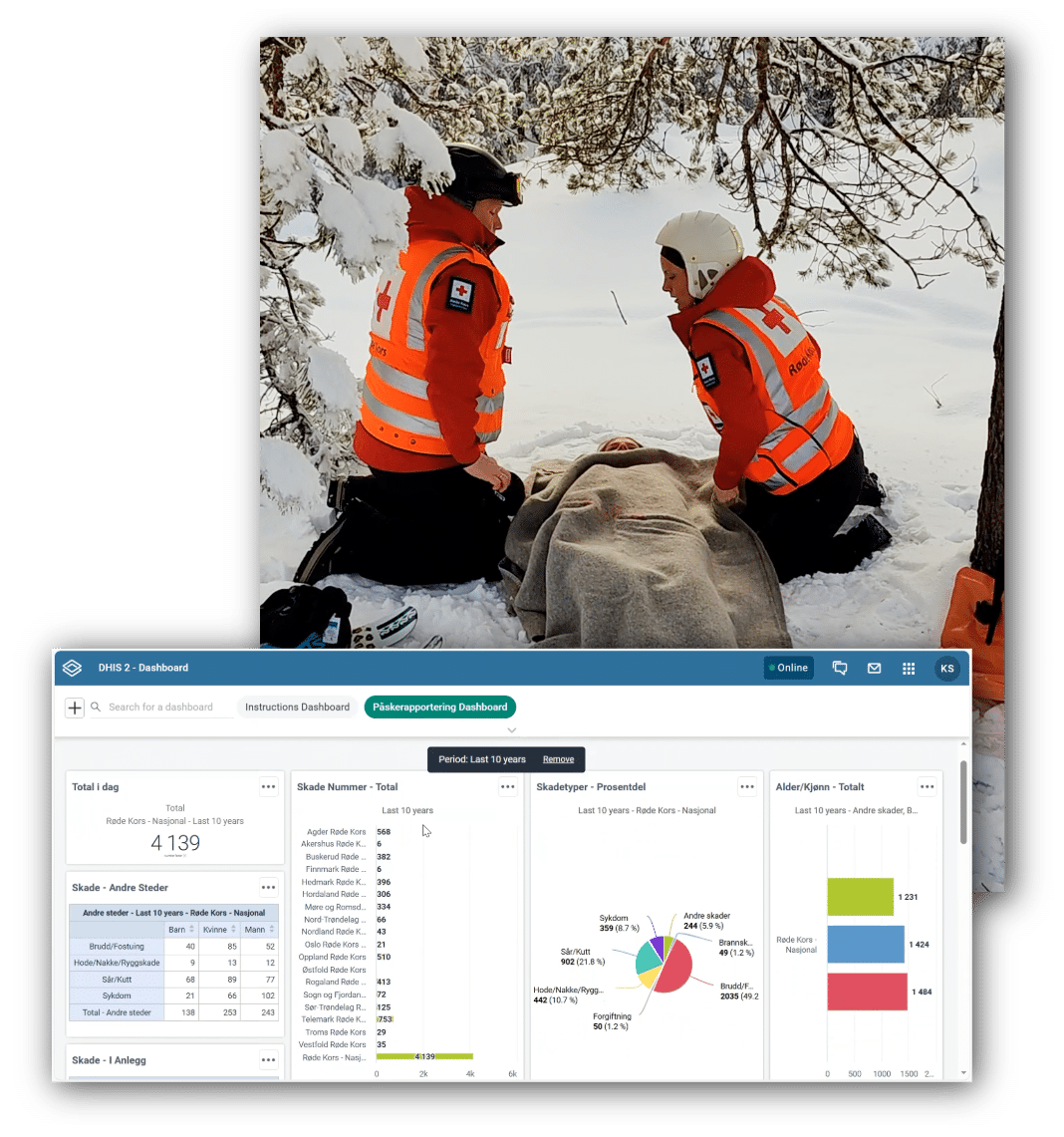
The Norwegian Red Cross (NRC) has frequently used DHIS2 to support their international programs, such as their work with the Ukrainian Red Cross following the start of Russia’s assaults, where DHIS2 has been used to manage electronic patient health records in mobile clinics providing humanitarian assistance to people displaced by the war. Starting in 2023, the NRC also began using DHIS2 in Norway in a special use case: monitoring and reporting on accidents and injuries that take place during påske, the Norwegian Easter holiday week that many people celebrate with outdoor activities like skiing in the mountains. Using DHIS2 allows district and national NRC teams to maintain an overview of accident trends, which they can use for internal reporting an analysis and to help keep the public informed, at a much lower cost than their previous system.
The University of Oslo welcomes formal partnerships with Norwegian public sector institutions and NGOs that are interested in deploying DHIS2 as a key element of their information system architecture. Institutional partnerships provide access to advanced support from HISP Centre staff and input on the DHIS2 software roadmap, while also establishing a framework for financial contributions to support the ongoing development and maintenance of the DHIS2 platform. For more information, contact us at partnership@dhis2.org
Devotta AS is a private company contracted by HISP UiO to provide ongoing development support for the core DHIS2 software platform, and also operates as an independent entity offering DHIS2 configuration, custom development, and implementation services to organizations and companies in Norway and abroad. Devotta can be contacted directly through their website.
The Information Systems research group at the HISP Centre is an internationally recognized team with decades of experience investigating information system design and use. HISP Centre researchers regularly engage in public discourse on sociotechnical issues related to information systems and open-source technology–including contributions that help inform Norwegian governmental policy development–and their work can provide valuable insights for digital transformation projects in Norway and globally. You can contact the head of the research group by email.

Learn more about the local work, impact, and recognition of the HISP Centre at the University of Oslo.