
Fighting NCDs in Malawi and Sri Lanka with the Diabetes Compass Project
Health authorities in Malawi and Sri Lanka are using DHIS2 and other digital tools to build screening and referral systems for diabetes and hypertension, supporting an increasing focus on the health risks of non-communicable diseases.
Non-communicable diseases (NCDs) like diabetes and hypertension represent one of the most pressing challenges in global health. Unlike infectious diseases, which often drive the design of health information systems in low- and middle-income countries, NCDs require sustained, longitudinal care across community, facility, and national levels—a challenge that many existing digital health architectures were not built to support. A growing number of countries have begun extending their national health information systems to address this gap, integrating NCD screening and patient tracking into the same platforms already used to manage immunization, maternal health, and other priority programs.
Malawi and Sri Lanka are among the countries leading this effort as partners in the Diabetes Compass project, a multi-country initiative supported by the World Diabetes Foundation (WDF) that aims to establish community screening mechanisms, referral pathways, and follow-up care for diabetes and hypertension. In both countries, national health authorities are building or expanding digital infrastructure to support this work, with HISP University of Malawi (HISP UNIMA) and HISP Sri Lanka providing technical implementation support respectively.
While both of these projects are still in the early stages, the preliminary results are encouraging. In Sri Lanka, a new NCD screening app has made it faster and easier for community health workers to capture data, and in Malawi, the DHIS2-based national health information system has incorporated a new NCD algorithm to simplify the screening and referral processes.
Malawi: Extending an Existing National Platform
In Malawi, DHIS2 (and its precursor, DHIS v1) has been in use since around 2000, making it one of the longest-running implementations in the world. Over the years, the Ministry of Health has steadily expanded the platform’s reach, and today it underpins the integrated Community Health Information System, iCHIS, a national platform used by community health workers across the country deployed in October 2021.
When the WDF and Malawi began collaborating on the Diabetes Compass project, building within the iCHIS was the natural choice as community health workers were already using the system for their day-to-day work. With HISP UNIMA supporting the technical implementation, the Ministry of Health’s Community Health Services section added an NCD module to the platform. An initial version, digitizing the government’s existing NCD data collection tool, was deployed in March 2024.
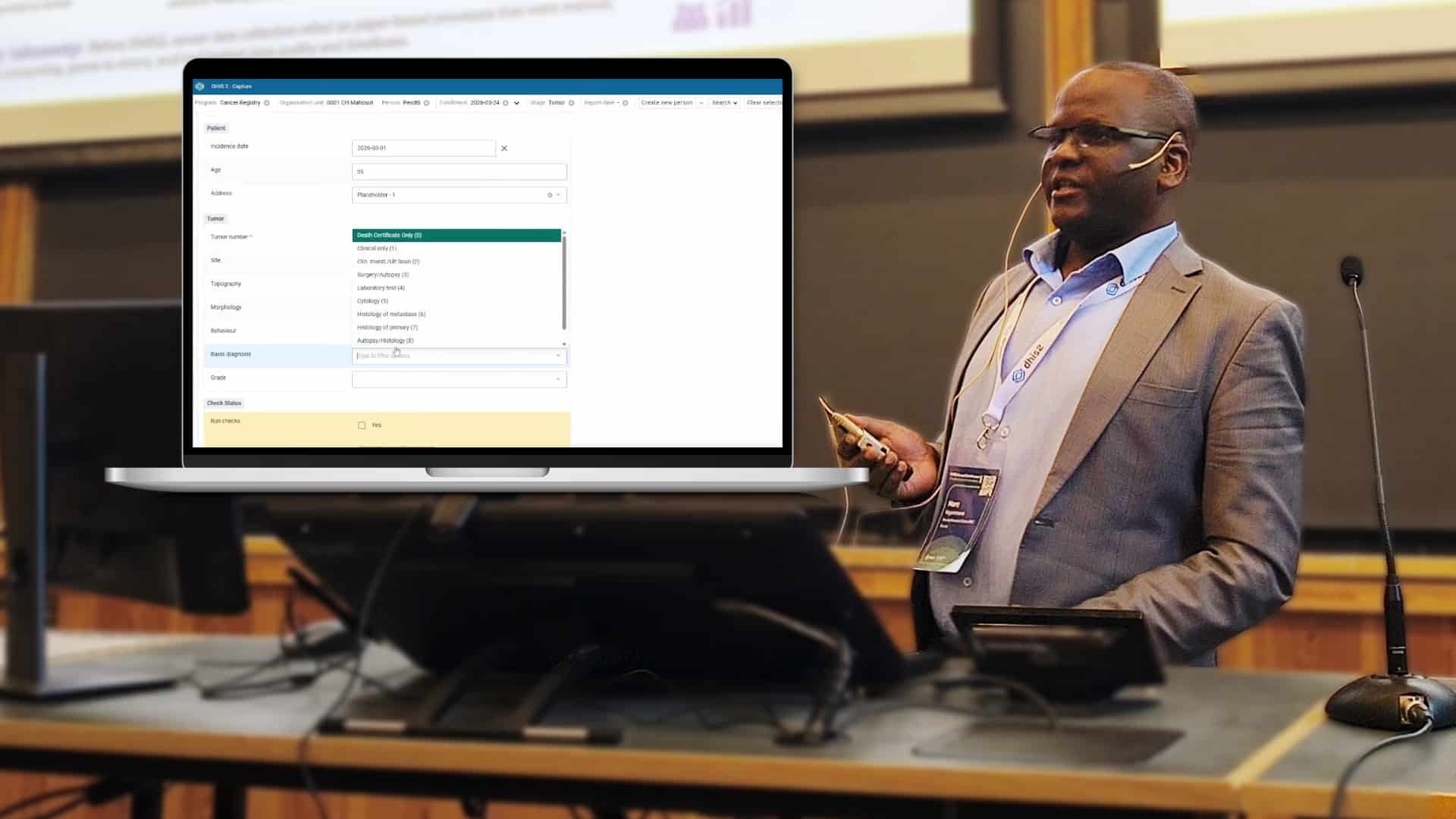
More recently, the WDF developed a new screening algorithm designed to reduce the burden of the lengthy government form by using quantitative inputs, including blood pressure measurements, to screen community members for hypertension and diabetes risk and support health workers in making referral decisions. That algorithm has now been incorporated into the iCHIS, and from 8 – 9 April 2026, 50 community health workers (CHWs) from Khombedza Health Centre (15) and Salima District Hospital (35) in Salima District received training on the new tool. Plans are in place to expand to two additional districts (Ntchisi and Karonga), targeting 50 CHWs in each, over the next two months.
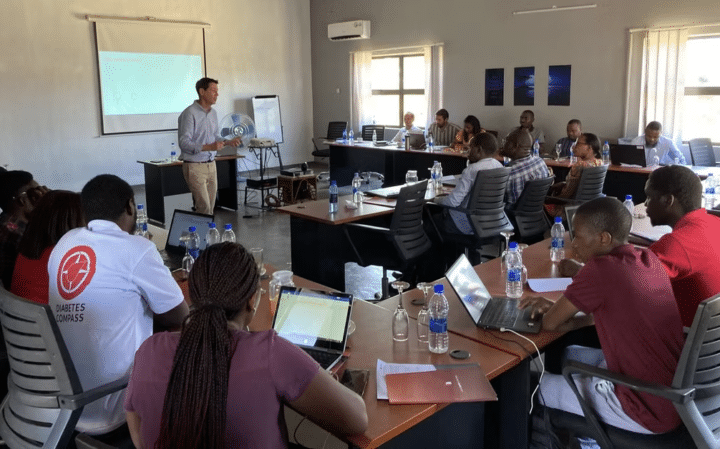
The system offers clear advantages beyond data collection. By standardizing the screening process, it reduces subjectivity in referral decisions. The iCHIS also includes supervision modules and dashboards that allow district-level managers to monitor community health worker performance, track coverage, and support quality assurance—capabilities that directly support the NCD program. The module has already also been piloted in Salima District, and user feedback has been incorporated by the HISP UNIMA team, pending additional funding for full deployment.
“In Malawi we wanted to ensure that the electronic NCD module would not just address clinical tracking but also referral systems, reporting, and patient follow-up, in a way that is practical and scalable. A co-creation approach allowed for real alignment between technological innovation and frontline realities.” – Hastings Chiumia, Malawi MoH NCD and Mental Health Division in a 2025 World Bank report
The remaining step before full field deployment is the integration of the iCHIS NCD module with the Malawi Health Information System (MaHIS) OpenMRS-based electronic medical record (EMRs) system at health facilities, which is a critical link that will ensure continuity of care when community members are referred for diagnosis and follow-up. That integration is being finalized and is expected to be completed in the near term. Once live, the combined system will allow community health workers and facility staff to share information across the care pathway for the first time.
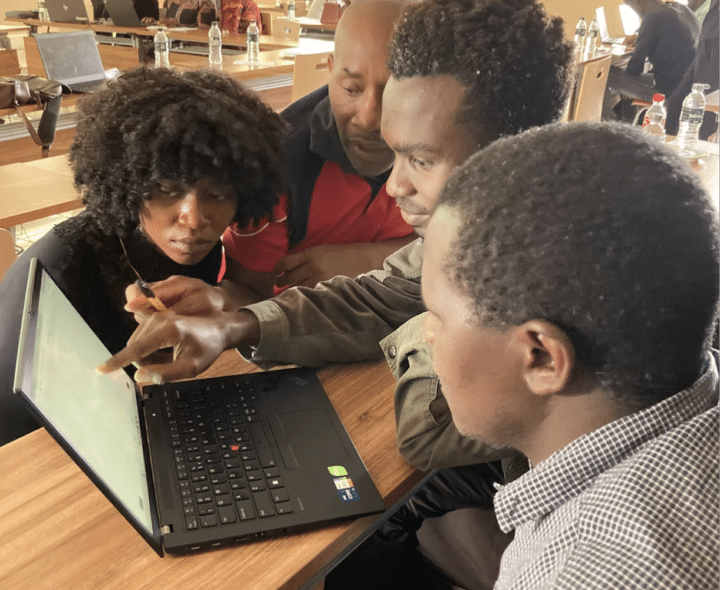
The Ministry of Health intends to assume full ownership of the project and scale it to additional districts as resources allow. To support a smooth transition, the ministry’s Digital Health Division has been involved in the design process since 2021, helping to build internal capacity for long-term maintenance and expansion.
Sri Lanka: A Multi-System Architecture Built for Interoperability
Sri Lanka’s Diabetes Compass implementation takes a different technical approach, shaped by the country’s national digital health strategy and its ambition to connect fragmented health information systems through shared standards. Rather than a single-platform solution, the implementation knits together multiple digital tools across a care pathway that spans community, hospital, and clinic settings, with HISP Sri Lanka providing technical support.
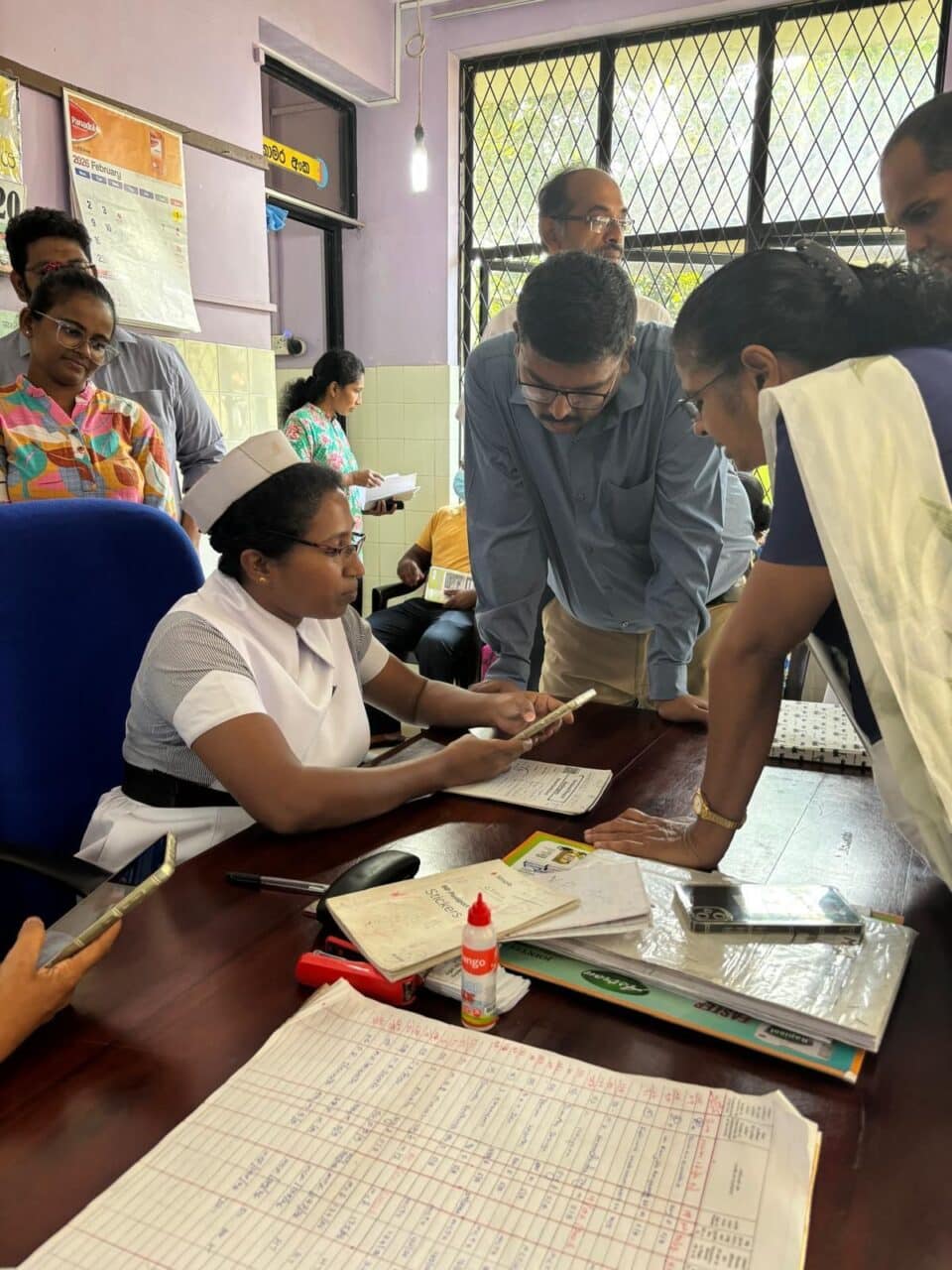
The implementation involves three distinct points of contact with patients: community-level screening carried out by health workers conducting household visits; Healthy Lifestyle Centers (HLCs) at hospitals, which receive referrals from the community; and medical clinics providing regular follow-up care for diagnosed patients.
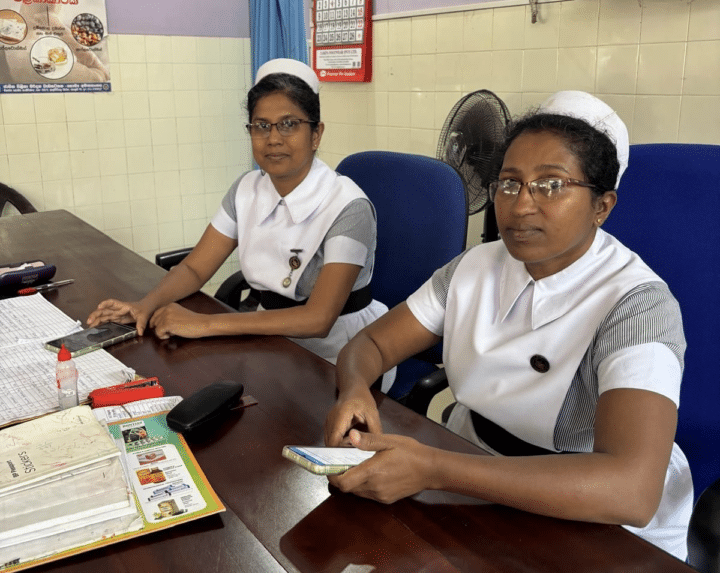
To manage patient interactions across all three points, Sri Lanka’s Ministry of Health selected OpenSRP, a FHIR-native application, for data collection. This decision was guided by Sri Lanka’s digital health blueprint, which mandates the use of interoperability standards to enable data sharing between fragmented systems. Health data collected using the OpenSRP Android FHIR SDK is pushed to a central FHIR repository, which connects to other EMRs and health information systems across the national health infrastructure. This includes DHIS2, which is used downstream for aggregate data, dashboards, and monitoring at the facility, district, and national levels.
HISP Sri Lanka has supported the deployment of these tools as well as the architectural design of the system itself, including the configuration of the central FHIR server that links OpenSRP, DHIS2, and other connected systems.
Early results from the implementation are encouraging. Follow-up rates among referred patients have increased, more previously undiagnosed patients are being identified and referred to facilities, and patient dropout rates have declined. Health facilities and district medical officers for NCDs are actively using the DHIS2 dashboards to monitor program performance and guide decision-making.
“The rollout of the screening app has helped improve efficiencies, reducing the time and effort community health workers need to capture data and reports.” – Dr. Champika Wickramasinghe, deputy director general of Sri Lanka’s Ministry of Health
The project currently operates as a proof of concept in five facilities across one district, with a government decision on national scale-up pending. The Ministry of Health has already expressed interest in expanding the scope of the platform beyond diabetes and hypertension to include dyslipidemia, asthma, and chronic obstructive pulmonary disease (COPD)—reflecting the potential to grow the system into a comprehensive NCD information portal.
A Foundation for the Future
Both implementations reflect a broader shift in how countries are approaching NCDs within their national health information systems. Rather than building parallel, disease-specific tools, Malawi and Sri Lanka are integrating NCD programs into existing or newly designed national digital infrastructure. This approach reduces fragmentation, builds institutional ownership, and draws on HISP partners with the technical range to work across platforms and standards.
In Malawi, the immediate priority is completing the EMR integration and beginning field deployment of the new screening algorithm. Expansion to additional districts will follow as training and resources allow, with the Ministry of Health taking on increasing ownership of the system over time.
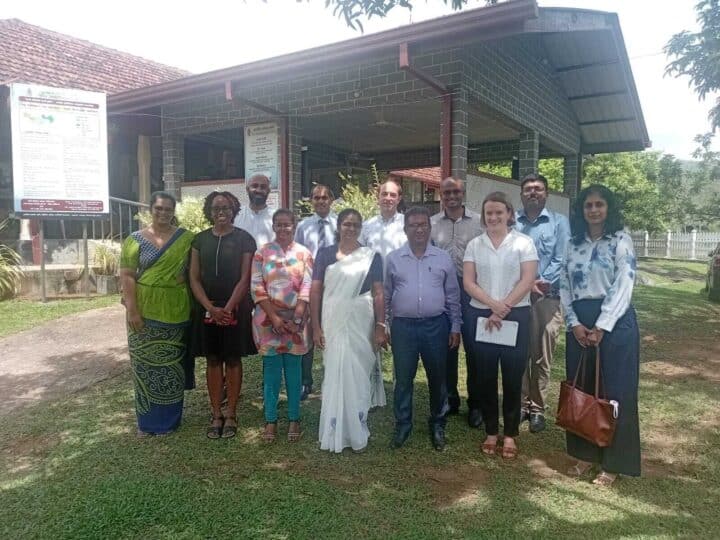
In Sri Lanka, the focus is on the government’s decision about national scale-up and the potential expansion to additional NCD conditions. The interoperability architecture already in place—linking OpenSRP, a central FHIR repository, DHIS2, and other connected systems—provides a strong foundation for both.
While both countries are building these systems in different ways, their end goal is the same: develop the digital infrastructure needed to find people at risk for diabetes and hypertension, connect them to care, and follow them through a system designed to ensure they get the treatment they need over time.
Watch a video about the Diabetes Compass project by the World Diabetes Foundation: