
HISP Highlights September 2026
The September 2026 HISP Highlights post features the latest news, achievements, and updates from across our global HISP network.
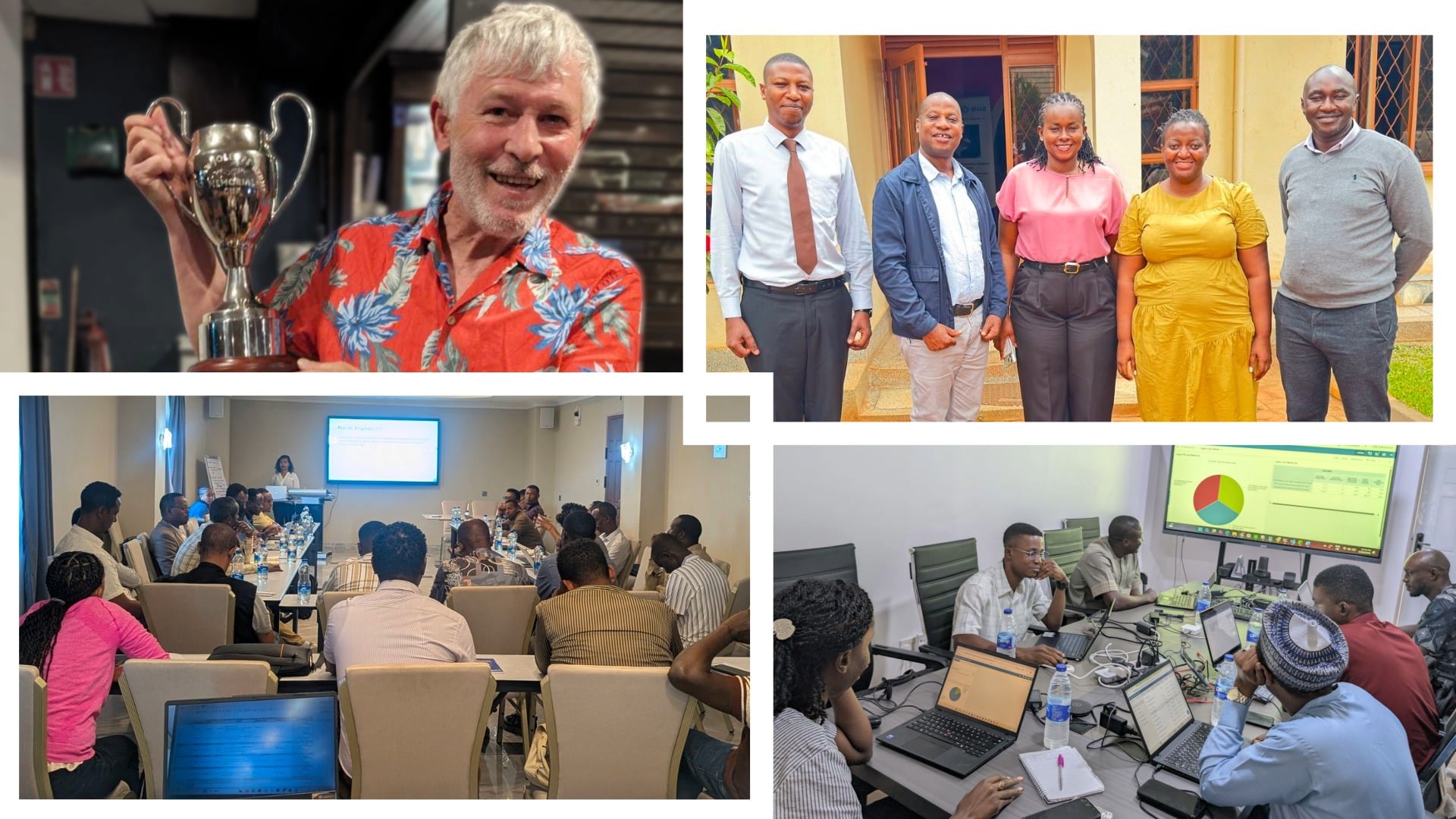
September brought the HISP Africa network together in Addis Ababa, where 13 HISP groups met under the theme “Powering Partnerships for Impact” and elected new leadership for the HISP Africa Steering Committee. It was also a month of growing momentum for climate-informed health work, with malaria forecasting efforts in Malawi and South Sudan and HISP colleagues presenting at conferences in Cape Town, Rome, Nairobi and Tashkent. Closer to home, the HISP Centre celebrated academic milestones, including a PhD defense and an inaugural professorial lecture.
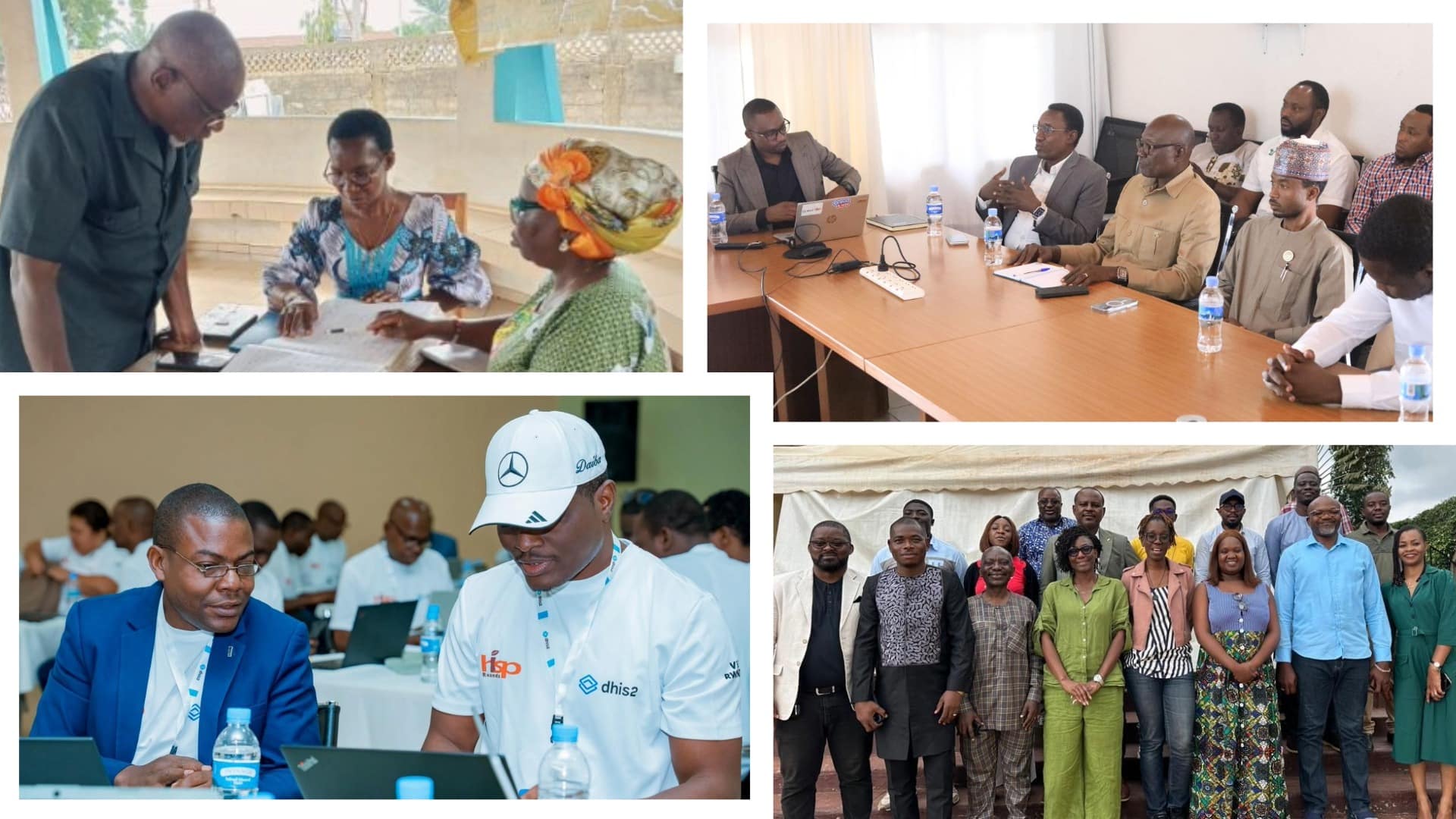
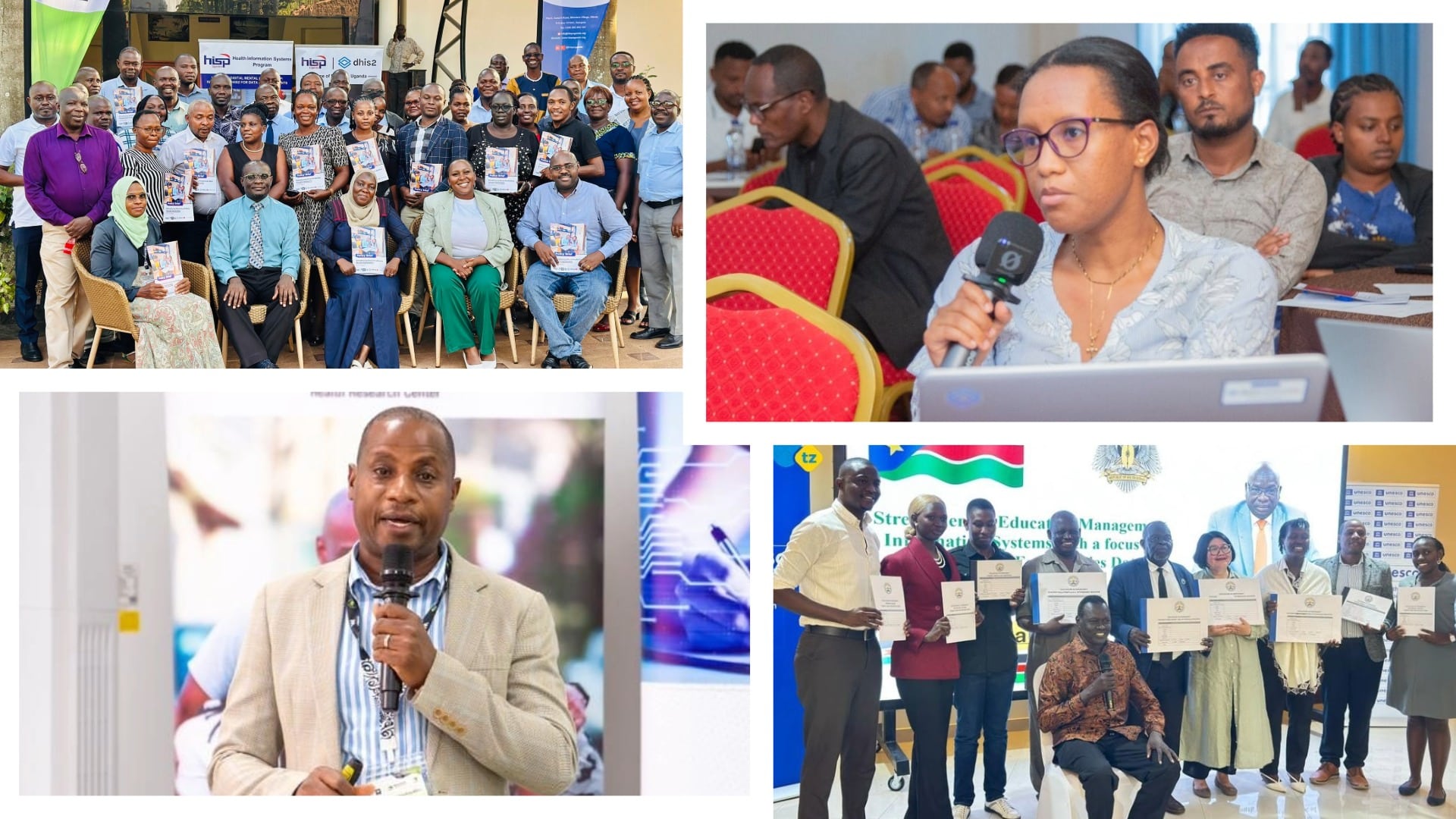
This month’s highlights include the HISP Africa Convening 2026 in Addis Ababa; work by HISP UiO and HISP University of Malawi to bring malaria forecasting into DHIS2; a training of trainers by HISP Tanzania on South Sudan’s Malaria Outbreak Warning Dashboard; eIDSR mentorship in Uganda that brought disease surveillance to 109 Village Health Team members; HISP WCA missions supporting education management information systems in Nigeria and Sierra Leone; a new memorandum of understanding between HISP India and Kathmandu University; and Monica Amuha’s PhD research on how district managers in Uganda use education data.
Scroll down for these updates and more from Training, Implementation, Partnership, Events, and Publications & Presentations.
Training
DHIS2 Technical Trainings for Cambodia
HISP Asia held two hands-on DHIS2 trainings for the Cambodia team with support from HISP India and HISP Vietnam, funded by the U.S. CDC. A server management training in Ho Chi Minh City covered installation, security, monitoring and maintenance. It was followed by an API and integration training in Phnom Penh. Together, the trainings built local capacity to manage DHIS2 infrastructure and support system integration. More
Malaria Forecasting Training in South Sudan
HISP Tanzania conducted a training of trainers with the South Sudan National Malaria Control Program and partners supporting the Ministry of Health, focused on the use of the Malaria Outbreak Warning Dashboard. Participants learned to use forecasts to estimate commodity needs and identify high-risk counties for interventions such as bed net distribution. System administrators were also introduced to CAPS, which brings together DHIS2-Chap and Open Climate Service. More
DHIS2 Android App Testing in Ethiopia
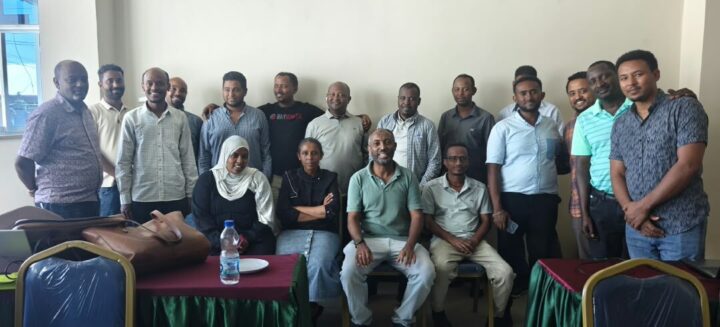
HISP Ethiopia, with Ethiopia’s Federal Ministry of Health and JSI, facilitated a two-day user acceptance testing workshop for the Routine DHIS2 Android Capture App in Bishoftu. Representatives from the Ministry of Health and Regional Health Bureaus tested the app in a practical setting and shared feedback, helping identify improvements and ensure it meets routine health reporting needs. More
Implementation
Configuring Chap and Open Climate Service in Malawi
HISP UiO’s Herman Tretteteig traveled to Malawi to work alongside colleagues from HISP University of Malawi on bringing malaria forecasting into DHIS2. The team is configuring Chap and Open Climate Service to pull data from several DHIS2 instances and deliver forecasts and alerts back to decision makers. They are also exploring an adaptation of HISP Tanzania‘s Caps tool, and testing with health center staff how best to visualize forecasts. More
DHIS2 Roadmap Follow-Up Workshop
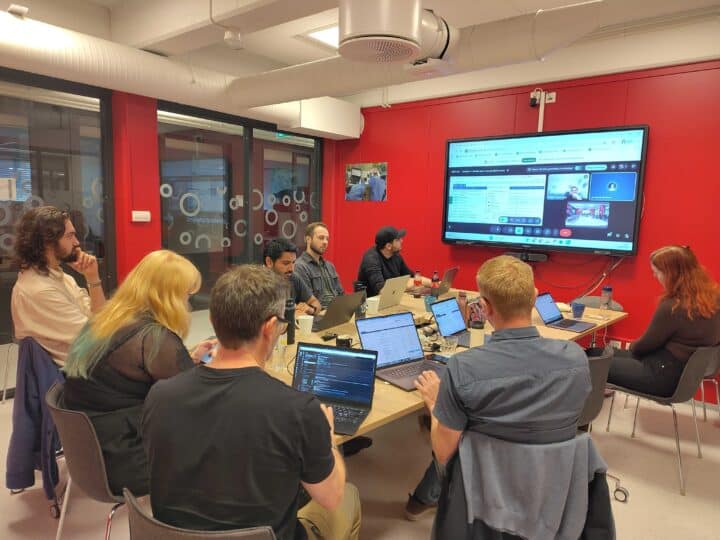
Members of the DHIS2 core team met at the HISP UiO offices in Oslo for the quarterly DHIS2 roadmap follow-up workshop. The team reviewed the current roadmap against strategic priorities and emerging needs, assessed progress to date, and identified areas for change or reprioritization. An updated software roadmap will be published on the DHIS2 website soon. More
Improving Health Data Quality in Togo
HISP WCA provided technical support to Togo’s Ministry of Health as it works to audit and correct data elements, indicators and metadata, program by program, in the country’s DHIS2-based national health information system. Led by the Directorate of the National Health Information System and Informatics (DSNISI), the work aims to improve the quality, integrity and governance of health data. More
Community Disease Surveillance in Uganda
HISP Uganda provided technical support for eIDSR mentorship in Lamwo District, led by the Uganda Ministry of Health with support from the International Rescue Committee, to strengthen vaccine-preventable disease surveillance. Health workers at 18 facilities strengthened their skills in case detection and reporting through eIDSR, and 109 Village Health Team members learned to identify suspected cases and report them by SMS for immediate notification. More
Education Data Systems in Sierra Leone
HISP WCA worked with Sierra Leone’s Ministry of Basic and Senior Secondary Education (MBSSE), with support from Unicef, on a three-week mission to prepare ULID/SEMIS and the Education Data Hub for piloting. Led by Jerry Aziawa, the team finalized system configuration, presented the Data Hub to the Minister and senior officials, trained and certified the national team and trainers, and trained end users in pilot schools. More
AI for Secure Health Data Analytics
HISP Rwanda‘s Damour Nsanzimfura presented HMIS Digest, an agentic AI tool for health data analysis in DHIS2, during the DHIS2 AI Forum, part of the DHIS2 Developer Meetup series. HMIS Digest works like a junior data analyst, querying DHIS2 APIs and grounding answers in verifiable data, while locally hosted models keep sensitive health data within an organization’s own infrastructure. More
Supporting DNEMIS in Nigeria
HISP WCA‘s Moukaïla Labodja joined HISP Nigeria, the Federal Ministry of Education and Unicef on a field mission to strengthen the DHIS2-based Digitized Nigeria Education Management Information System (DNEMIS). The team supported day-to-day platform operations, mapped and documented EMIS instances, launched training on migrating to DHIS2 version 43, and made progress on interoperability with Ogun State data systems. More
Partnership
HISP India and the Department of Health Informatics at Kathmandu University‘s School of Engineering have signed a three-year memorandum of understanding to advance digital health education, implementation research and health information systems in Nepal. The partnership includes adapting open-source digital health courses to the Nepalese context, faculty development, student internships, joint research and collaborative field projects. More
Integrated Disease Surveillance in the Eastern Mediterranean
HISP MENA CEO Mohammad Baniode joined a consultation led by the WHO Regional Office for the Eastern Mediterranean, the Global Fund and IOM with ministries of health from Iraq, Jordan, Lebanon, Syria and Yemen, 7–10 September. Discussions covered strengthening national DHIS2 teams, improving interoperability for HIV, TB and malaria reporting, and country-led roadmaps to integrate disease-specific surveillance into national systems. More
Relay Fund Visits HISP Tanzania
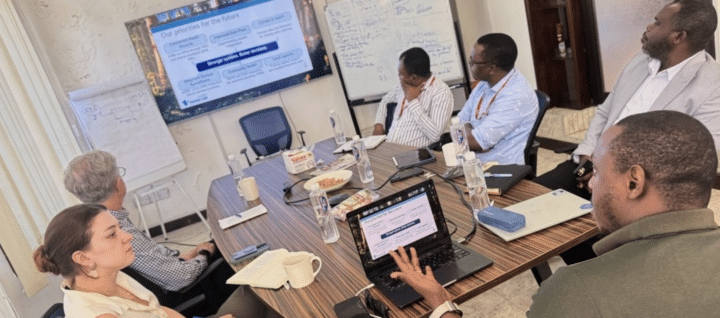
HISP Tanzania hosted colleagues from Relay Fund to discuss opportunities for strengthening digital health and health information systems across mainland Tanzania and Zanzibar. Discussions with HISP Tanzania’s management team and partners from Ifakara Health Institute, MDH Tanzania, the UDSM DHIS2 Lab and dLab Tanzania focused on local digital health capacity, interoperability, and how digital investments can better support service delivery and data use. More
Events
HISP Africa Convening 2026
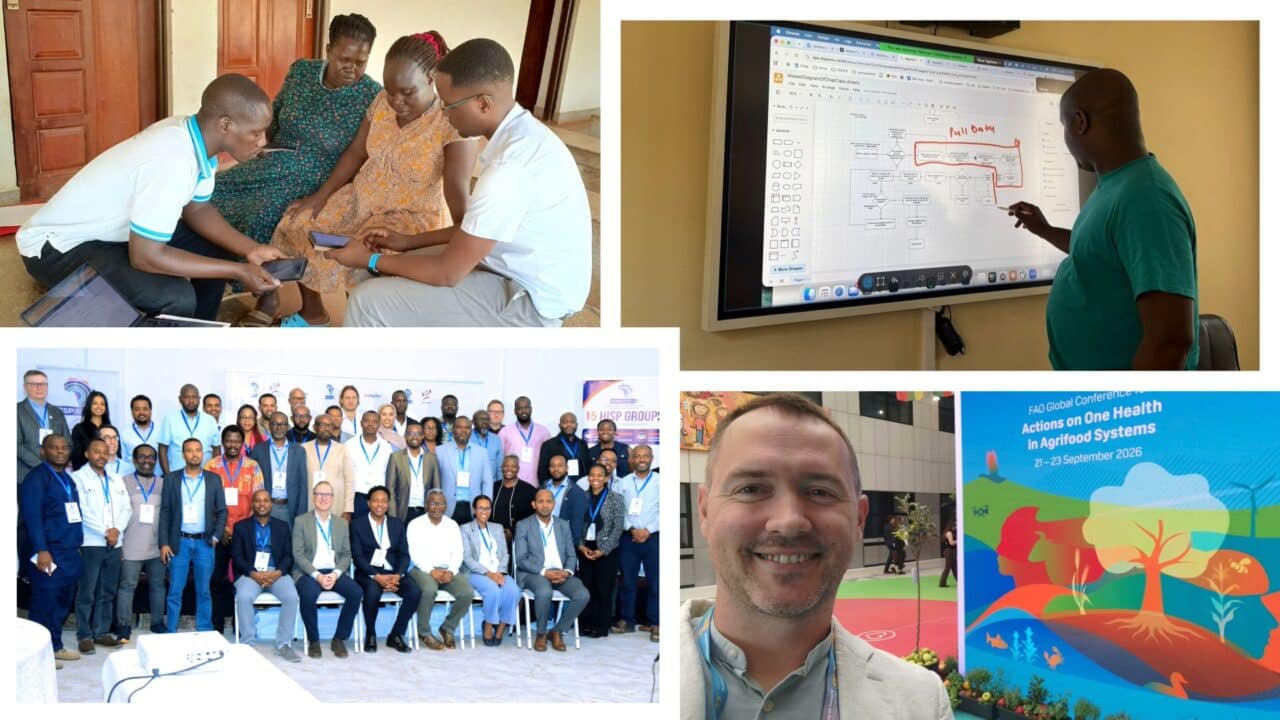
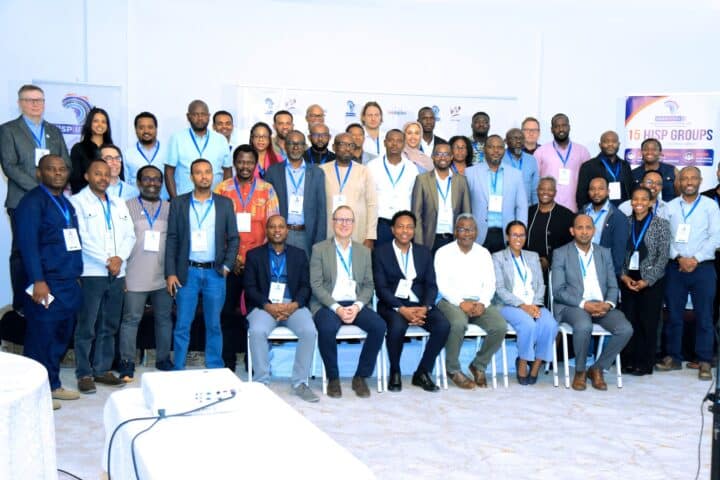
Thirteen HISP groups from across the HISP Africa network gathered in Addis Ababa, Ethiopia, for the HISP Africa Convening 2026, under the theme “Powering Partnerships for Impact,” to exchange experiences and strengthen collaboration on sustainable digital transformation. The network also elected new HISP Africa Steering Committee leadership: Dr. Tiwonge Manda of HISP University of Malawi as Chairperson and Bethelhem Fekadu of HISP Ethiopia as Vice Chairperson. More
Climate-Health Demo at World Congress on Public Health
Prof. Geir Kjetil Sandve of HISP UiO shared a demonstration of a climate-health model running in DHIS2 with Chap for the 18th World Congress on Public Health in Cape Town, as part of a workshop on AI and geospatial methods for urban heat resilience, led by Wits Planetary Health Research and the HE²AT Center. More
DHIS2 at FAO’s One Health Conference in Rome
HISP UiO colleague Stefano Perotti traveled to Rome for the FAO Global Conference for Actions on One Health in Agrifood Systems, where DHIS2 was recognized for its work applying the One Health approach. Stefano represented HISP UiO in two sessions, including a pitch session on scaling One Health innovations, and highlighted how DHIS2 supports surveillance and data sharing across human, animal and environmental health. More
ODI Global Public Finance Conference in Nairobi
Scott Russpatrick from HISP UiO presented new approaches to funding digital public goods sustainably at the ODI Global Public Finance Conference in Nairobi. Governments spend $668 billion a year on public sector software, yet funding for the digital public goods many ministries rely on remains unstable. More
DHIS2 for TB Management in Uzbekistan
Yury Rogachev of HISP Eastern Europe and Central Asia (EECA) spoke at a regional meeting on HIV and TB in Tashkent, attended by WHO, MSF and ministries of health from across the region. He showed how Uzbekistan’s National TB Programme, working with HISP EECA, uses DHIS2 to follow every TB case, with lab results, contact investigation, adverse events and drug stock on the same platform. More
Climate and Health Seminar in Ethiopia
HISP Ethiopia took part in a high-level seminar at the Ethiopian Public Health Institute on turning climate risk forecasts into health and nutrition action, as Ethiopia prepares for COP32. Discussions focused on how El Niño impacts, climate information and health data can work together to anticipate risks, and on the role of integrated data and digital solutions in building climate-resilient health systems. More
Regional Workshop on Measles Campaign Monitoring
HISP Ethiopia joined a regional workshop in Addis Ababa, organized by Ethiopia’s Federal Ministry of Health and the Ethiopian Public Health Institute, on strengthening data monitoring for measles supplementary immunization activities (SIAs). Participants from Ethiopia, Nigeria and Uganda shared lessons on monitoring before, during and after campaigns, and worked on recommendations and a roadmap for strengthening Ethiopia’s measles SIA monitoring system. More
Saudigitus at FACIM 2026
Saudigitus (HISP Mozambique) took part in the Maputo International Trade Fair in September. The team showcased digital platforms and solutions supporting data-driven decision-making across health, education, social development, climate and financial inclusion, and engaged with partners interested in digital transformation. More
Publications & Presentations
Counting Every Learner in Uganda
A new DHIS2 for Education article shows how education officials in Uganda’s Mayuge District used DHIS2 to classify 1,746 learners by type and level of disability. Working with HISP Uganda under the GPE KIX-funded DHIS2 for Education project, the district used this data to secure a special needs education unit at Ikulwe Primary School, along with trained teachers, ramps and braille machines. More
Johan Sæbø’s Inaugural Lecture
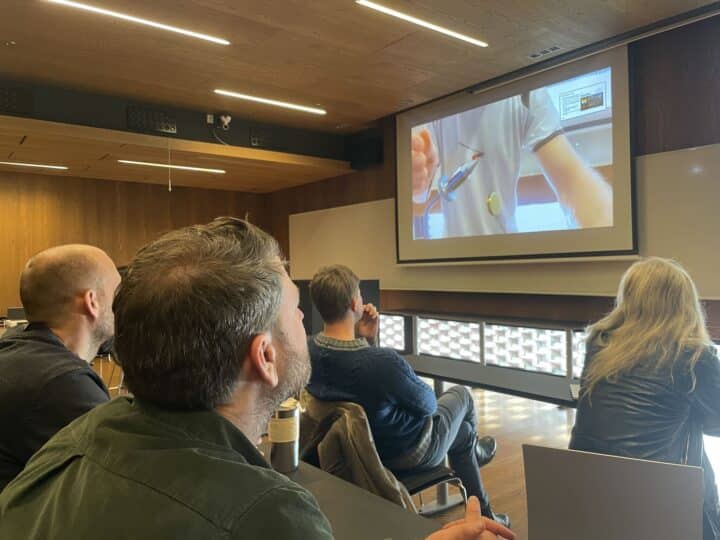
HISP UiO Prof. Johan Sæbø gave his inaugural lecture as full professor at the University of Oslo’s Department of Informatics. Titled “Why are silly things made?”, the lecture traced 2,000 years of fly fishing history, from Roman times to a 2009 museum feather heist, to explore the social construction of technology, and made the case that storytelling and enthusiasm bring theory to life in teaching. More
Trustworthy AI for Global Health
HISP UiO Prof. Geir Kjetil Sandve, who sits on the leadership team of TRUST – The Norwegian Centre for Trustworthy AI, was featured in a University of Oslo article on how to rein in AI agents while still benefiting from them. He discussed the DHIS2 Climate & Health project, where AI has proved valuable for disease modeling but requires external validation before wider use. More
Monica Amuha Defends PhD Thesis
HISP UiO colleague Monica Amuha successfully defended her PhD thesis at the University of Oslo’s Department of Informatics. Her research examines how district education managers in Uganda can use EMIS data to make better decisions. She found that access to technology is not enough on its own, and that empowerment depends on governance, everyday work routines and the competing priorities that shape how data is used. More