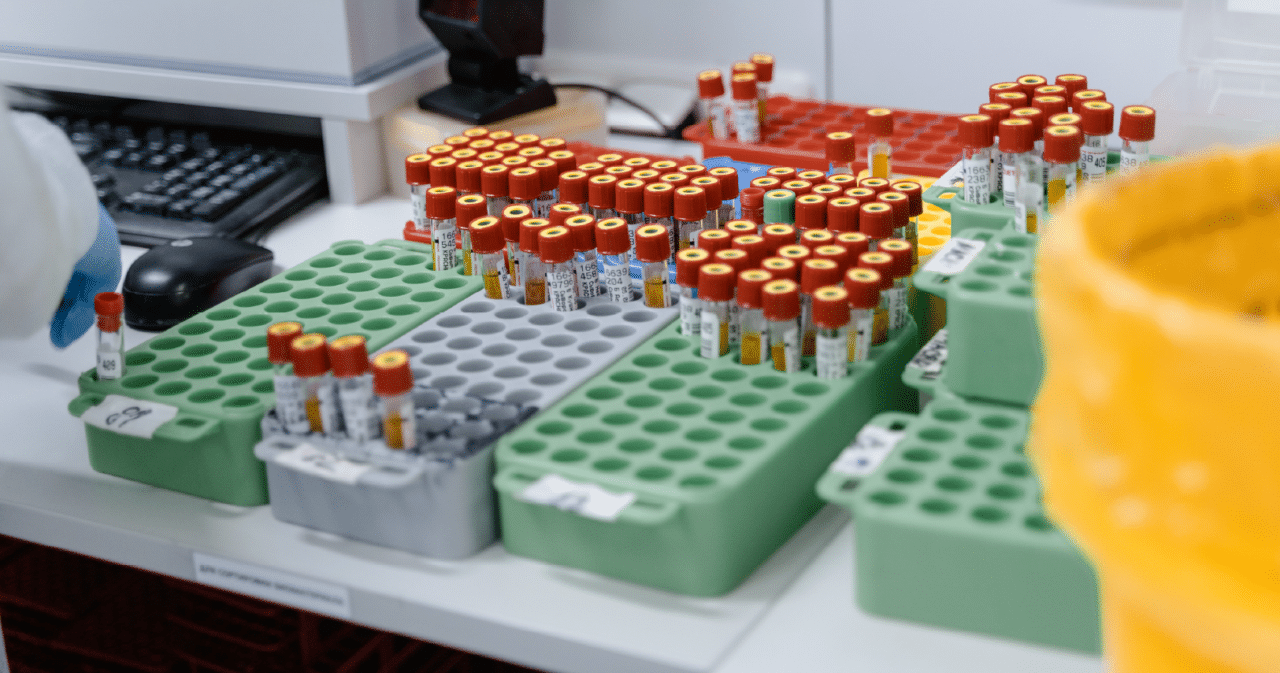
Laboratory Interoperability with DHIS2
Connecting lab results data in diagnostic systems to DHIS2-powered health information systems can support faster and more effective disease surveillance, outbreak response, and patient follow up.


Connecting lab results data in diagnostic systems to DHIS2-powered health information systems can support faster and more effective disease surveillance, outbreak response, and patient follow up.
In many health systems, laboratory results are recorded in two different systems that are not connected with each other. The Laboratory Information System (LIS) is built specifically to support laboratory workflows, tracking a specimen from intake through testing to reported result, and making that result available, in a timely and complete way, to the laboratory staff and clinicians. The Health Information System (HIS), on the other hand, is used to collect data that supports management of a larger health program, such as disease surveillance or malaria control, or to provide an electronic medical record for individual patients. Delays and data entry errors that result from manually transcribing lab results from the LIS to the HIS limit the speed and effectiveness of outbreak response and can contribute to errors or oversights in patient care.
Integrating laboratory systems with DHIS2 — the HIS software platform of choice for the majority of low- and middle-income countries — helps address these issues by removing the retyping step and sending the result electronically instead, making it immediately available to everyone who needs it. This speeds up decision making, reduces duplicate work, and improves data quality.
Solving the problem of LIS-HIS interoperability is not easy. Lab systems are not generally designed with DHIS2 in mind, and the kinds of lab data that are collected and used varies between systems, health programmes, and countries. There is no universal solution that works “out of the box” for all countries and contexts. However, the potential advantages of successful LIS-DHIS2 integration are significant, including faster outbreak detection and response and better patient follow up.
HISP UiO has worked with global health partners to develop a DHIS2-LIS integration toolkit to make it easier to connect DHIS2 to Laboratory systems. At the same time, HISP groups in the global HISP network — and other implementation partners — have supported countries in making LIS-DHIS2 integrations work in practice.
Interoperability between DHIS2, diagnostic machines, and Laboratory Information Systems streamlines data sharing and supports more effective disease surveillance and patient tracking. Explore some of the key features of DHIS2-LIS integration below.
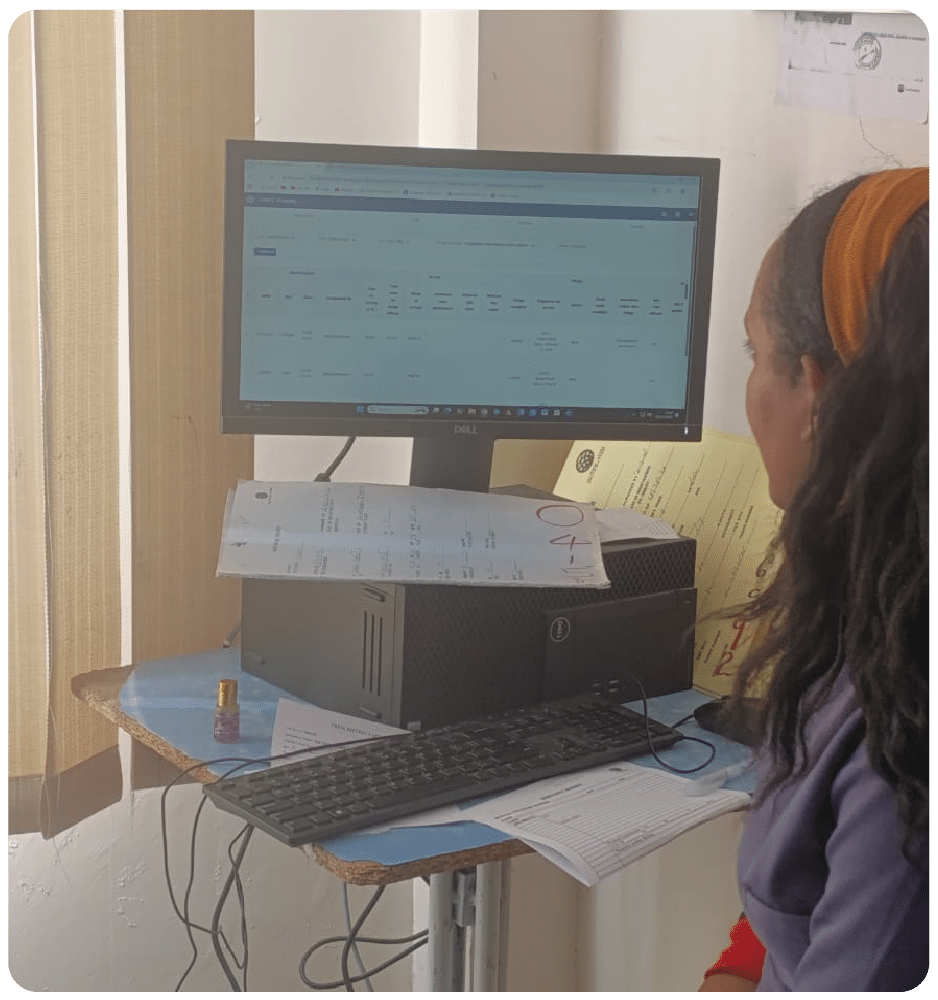
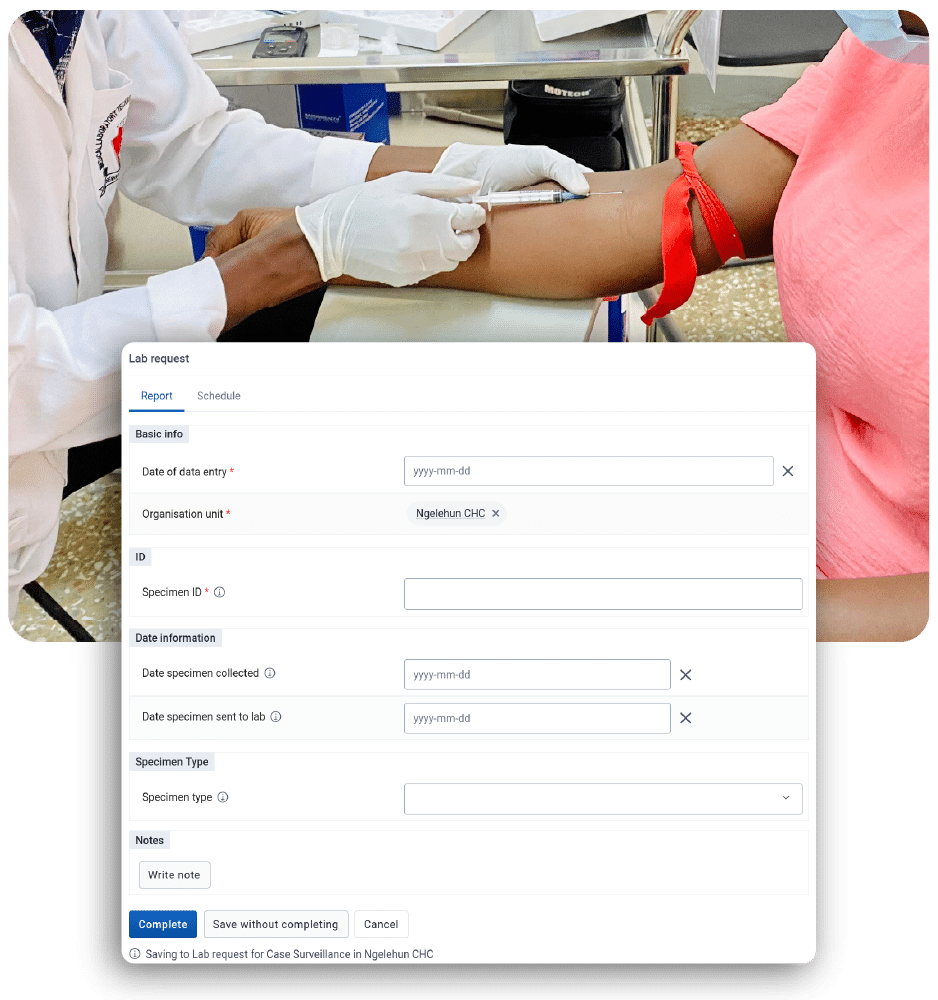
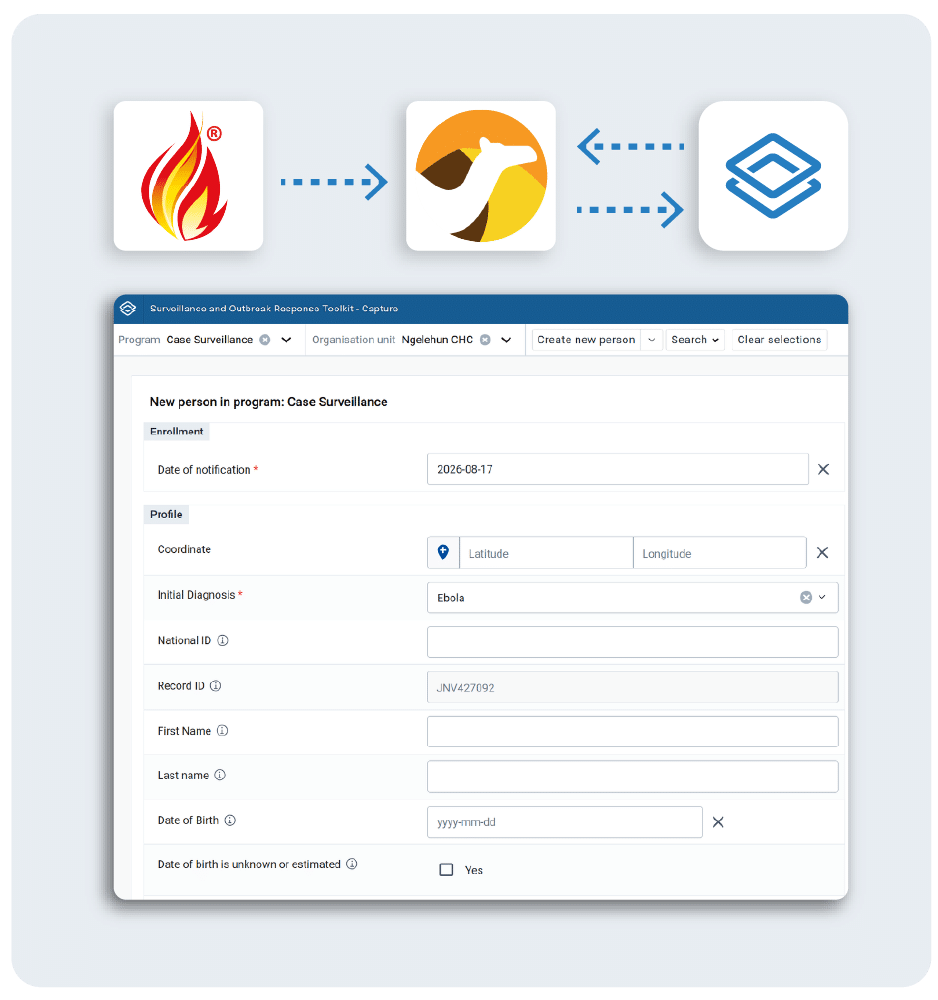
The DHIS2 integration team at HISP UiO has developed an integration toolkit to support DHIS2-Laboratory Information System (LIS) interoperability. This includes guidance on the integration patterns and standards involved and a reference implementation that presents a working integration between an LIS and a DHIS2 Tracker program,
A DHIS2 reference implementation is a well-documented, functional example that demonstrates one way to solve an integration problem. It is meant to be adapted to your own context rather than deployed as-is. Our example leverages FHIR for semantic interoperability and is designed to support timely lab result reporting for a case-based disease surveillance program. A similar approach could be used to automate entry of lab results into an electronic medical record (EMR) or e-Registry based on DHIS2.
The examples below show how countries and organizations have integrated laboratory systems with DHIS2 to improve health system performance.
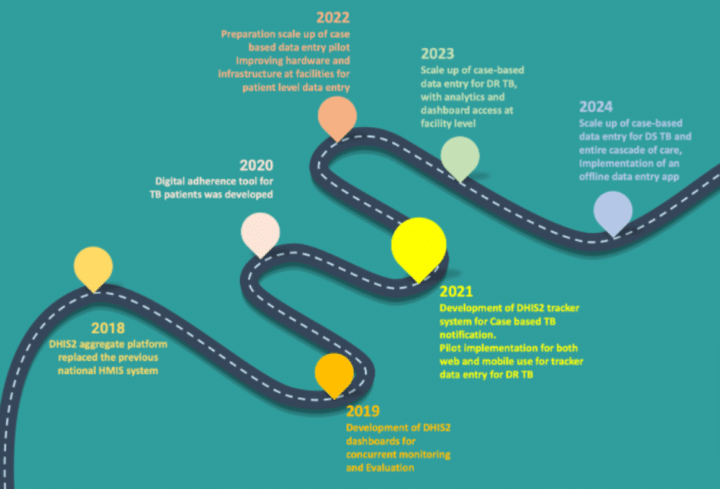
The Ministries of Health of Tanzania and Ethiopia have integrated laboratory data from GeneXpert machines with DHIS2 to achieve seamless transfer of TB and COVID-19 test results, improving program management and patient follow-up.
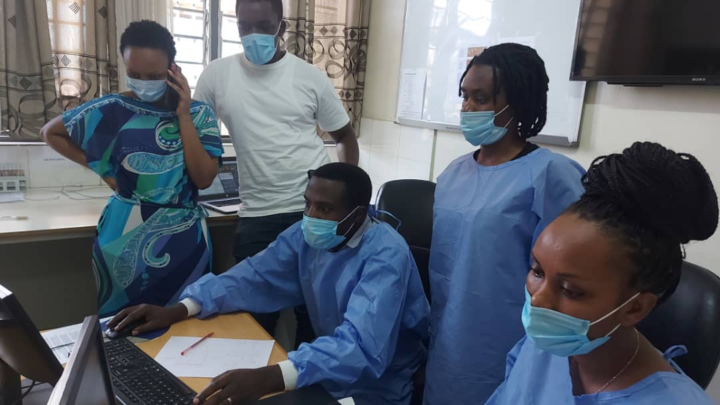
HISP Rwanda developed a custom web layer to allow for bulk upload of sample and test data, improving efficiency and reducing time from sample collection to results dissemination.
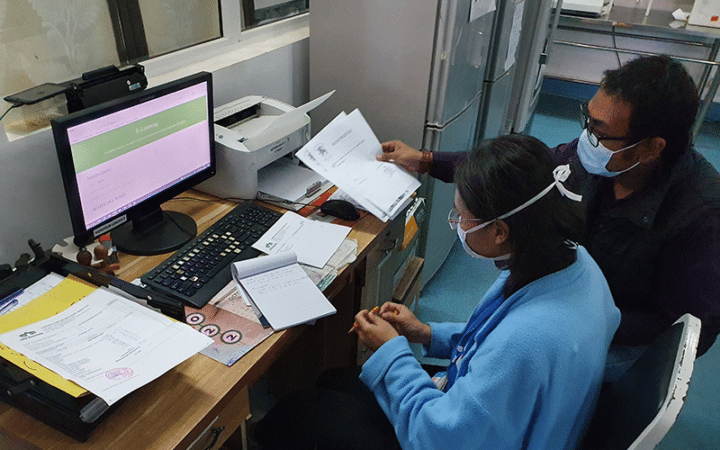
Ministries of Health in three West African countries have connected DHIS2 with a free and open-source Laboratory Information System to streamline lab reporting and support improved disease surveillance.
Get started with DHIS2 Laboratory Integration with these helpful resources:
You can also learn more with these publications:
HISP UiO has worked with the U.S. CDC to develop tools and resources to support laboratory integration with DHIS2 in support of our long-term collaboration on strengthening disease surveillance and response in low- and middle-income countries.