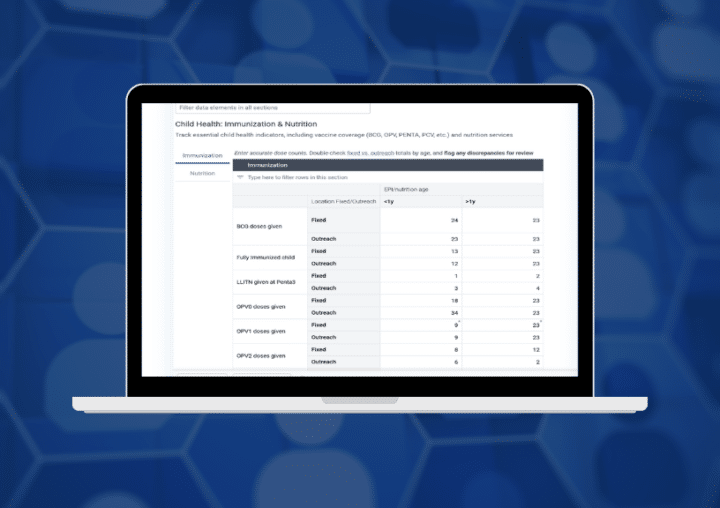
Learn how to configure data entry forms in DHIS2 for web and Android, including simple, section, and custom forms to create intuitive data capture experiences.
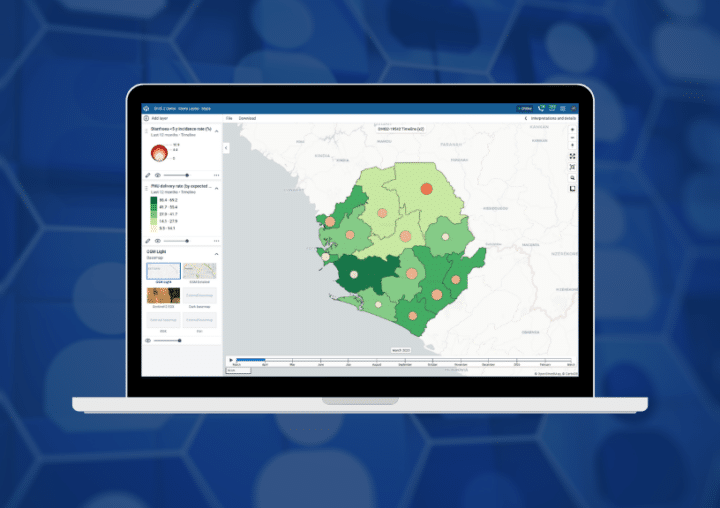
Review the maps app, with a special focus on features supporting epidemiological surveillance.
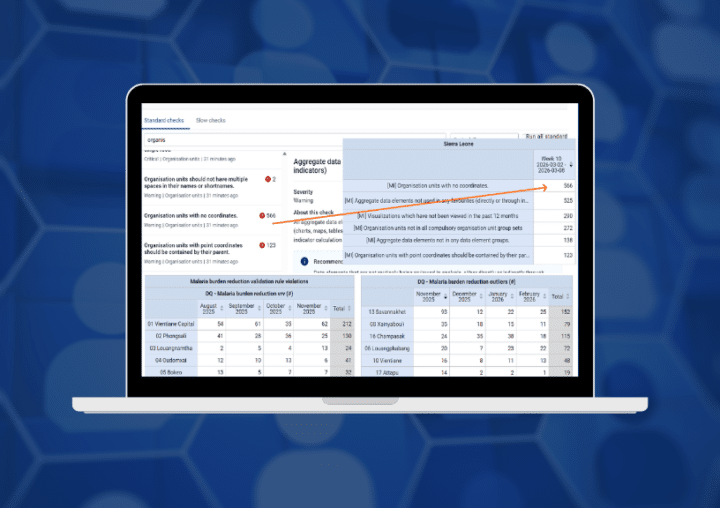
Learn about the Data Quality Workbench, an external, Python-based tool that allows you to supplement the built-in data quality features within DHIS2.
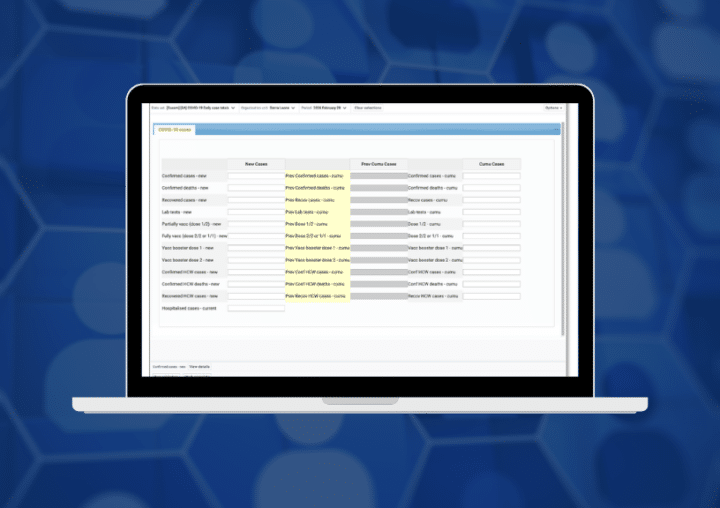
Learn how the DHIS2 legacy custom forms plugin enables existing JavaScript-based data entry forms to work with the new Data Entry app.
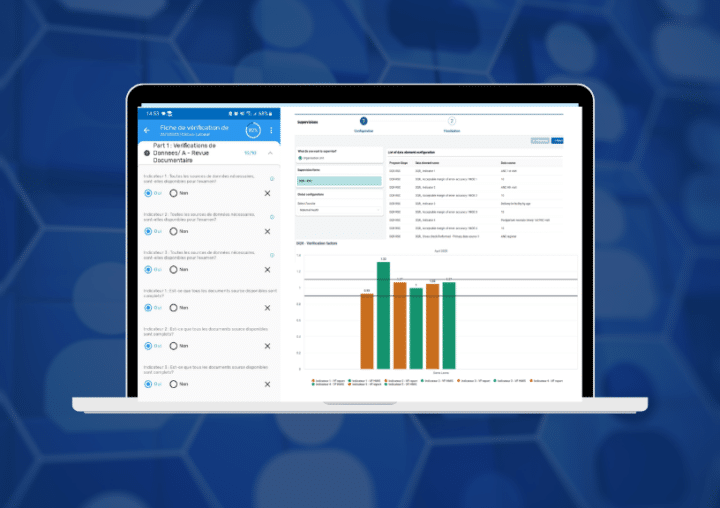
Explore how the eRDQA (Routine Data Quality Assessment) and DQR-RSC (Data Quality Review Routine Supervision Checklist) supervision tools are implemented within DHIS2.
Explore how DHIS2 Climate Tools simplify the integration, processing, harmonization, and automation of climate and environmental data for health forecasting.
Discover core statistical principles essential for modeling climate-sensitive diseases and managing forecast uncertainty.
Discover how climate change reshapes disease patterns and explore the links between weather variability and health risks in vulnerable populations.
Discover how Chap takes you from climate and health data to tested, ready-to-use disease forecasts for DHIS2.
Discover GitHub best practices essential for reproducible climate-health modeling workflows.
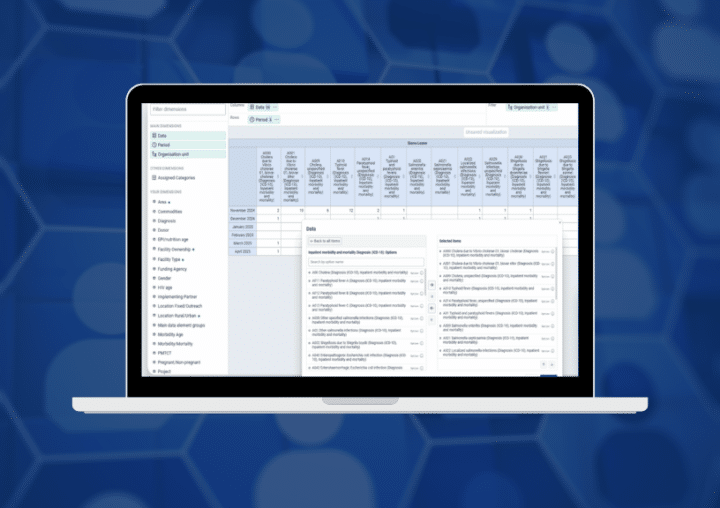
Explore practical Data Visualizer features for building clearer charts, pivot tables, data-quality views, and interactive dashboards in DHIS2.
Discover how climate data powers health forecasting in our DHIS2 webinar series kickoff.
Discover Android Capture 3.3’s new integrations, redesigned interface, faster synchronization, and performance improvements for more efficient mobile data collection.
Explore the key updates in DHIS2 version 42 and Android Capture 3.2, including improved security, data collection, analytics, extensibility, and a more consistent experience across web and mobile.
Discover how the new Maintenance app helps you manage metadata more efficiently, configure DHIS2 with greater flexibility, and identify and merge duplicate objects to improve data quality and system integrity.