Go to the main page

DHIS2 for Humanitarian and Fragile Settings

Discover how DHIS2 supports data collection, analysis and use across humanitarian sectors—from rapid, secure deployment and offline-capable tools to real-time analytics that turn data into action—helping organizations direct programs, target investments and save lives.

Jump to a section on this page

    Overview: Strengthening information systems in crisis settings

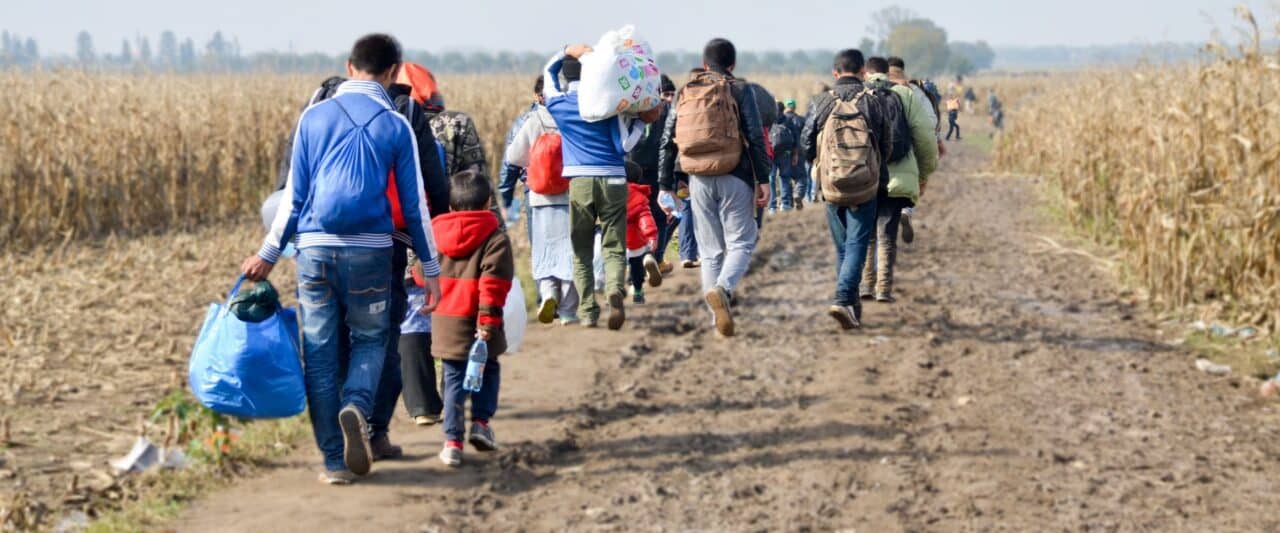
    Humanitarian crises, whether conflict, displacement, disease outbreaks, or natural disasters disrupt essential services precisely when timely, reliable data matters most. Digital platforms like DHIS2 provide a foundation for collecting, managing, and analyzing data across sectors in these settings, whether deployed by a government ministry responding to a sudden influx of displaced people, an NGO running mobile services in a conflict zone, or a cluster coordinating response across dozens of partner organizations.

    As a scalable and configurable platform, DHIS2 serves as the backbone for information systems in some of the world’s most difficult operating environments, supporting use cases such as disease surveillance and early warning, individual and beneficiary tracking, commodity and supply chain management, and cluster-level coordination across health, nutrition, education, protection, WASH, and other sectors. DHIS2 can be deployed quickly, works with or without reliable internet connectivity, and is built to be locally owned and adapted rather than dependent on any single implementing partner.

    DHIS2 is used across the humanitarian sector by a wide range of actors alongside government ministries. The International Committee of the Red Cross (ICRC) and the International Federation of Red Cross Cross and Red Crescent Societies (IFRC), alongside many National Red Cross and Red Crescent organizations use DHIS2 for field operations and global monitoring. Médecins Sans Frontières (MSF) runs it as its core health information system across field projects worldwide and UN agencies including UNICEF, WHO and UNHCR have supported DHIS2 deployments in humanitarian settings and fragile operating environments. International NGOs such as Samaritan’s Purse and PSI use DHIS2-based platforms to manage multi-sector programming beyond health alone.

    The IFRC recently formalized its collaboration with HISP UiO to strengthen the use of DHIS2 across the IFRC network, supporting emergency response, health information management, and digital capacity development through close engagement with local HISP groups and regional HISP hubs. 

    DHIS2 also supports cross-sector data integration, linking data across health, nutrition, education, and logistics information to support a more complete picture of needs during a crisis.
    DHIS2 Features for Humanitarian & Fragile Settings

    The DHIS2 platform includes built-in functionalities that help to overcome unique challenges of deployment in humanitarian and fragile settings, such as offline support, data protection and confidentiality for vulnerable populations and rapid, low-cost deployment in emergencies.

    Rapid deployment & flexible configuration

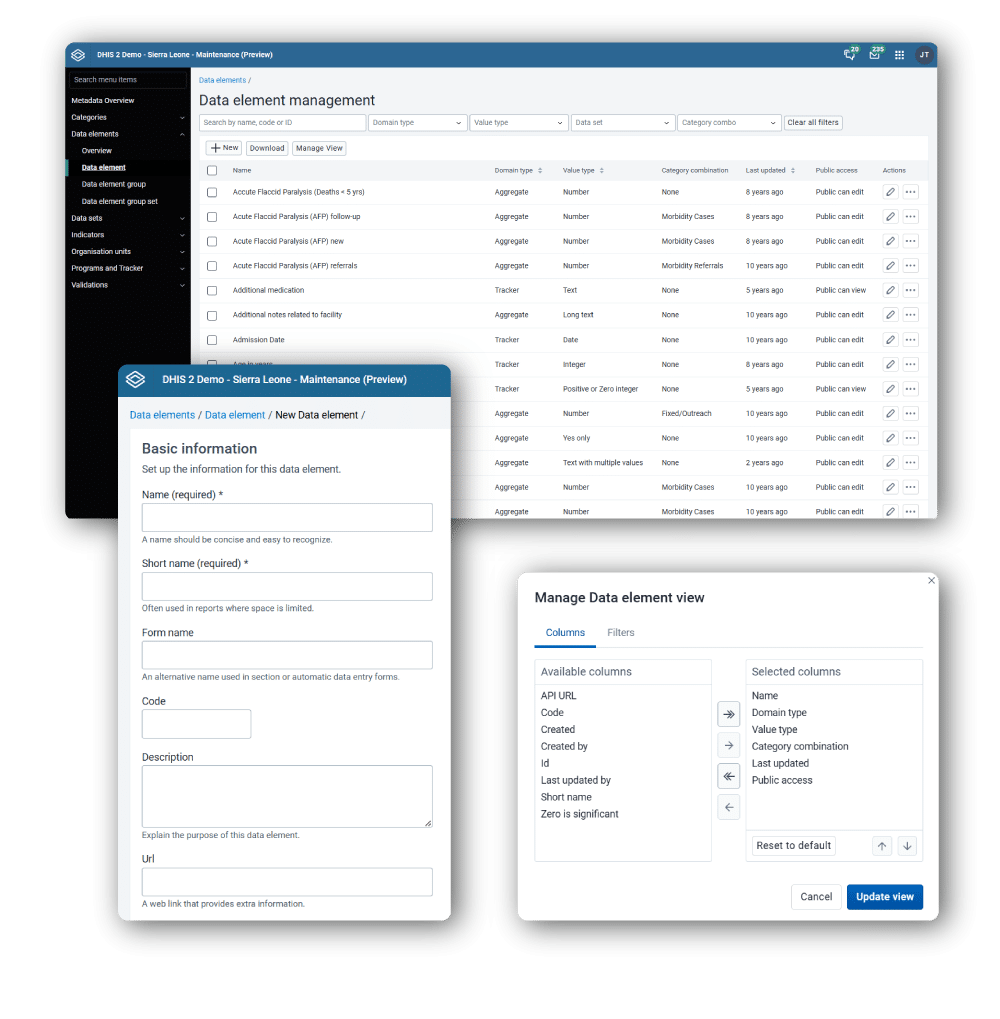
    • Stand up a new data system quickly in a crisis, with configuration and rollout often completed in weeks rather than months.
    • Easy to update data collection tools, indicators, charts and dashboards with no programming skills needed.
    • User-friendly and customizable for users of all types and levels: frontline health care workers, outreach workers, emergency response teams, logistics personnel and more.

    Explore configuration features

    Support for offline and low-connectivity environments

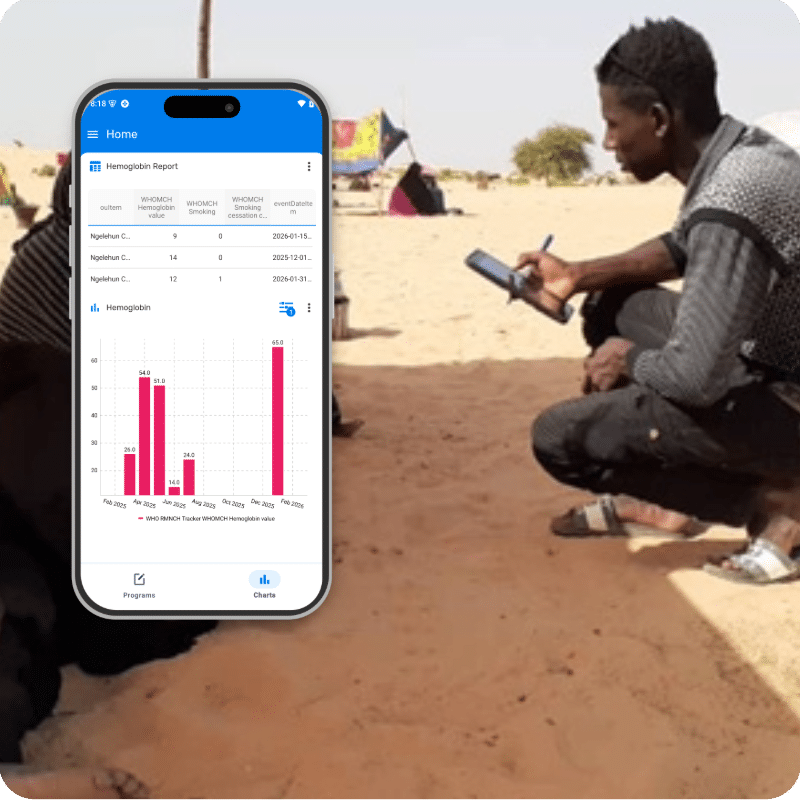
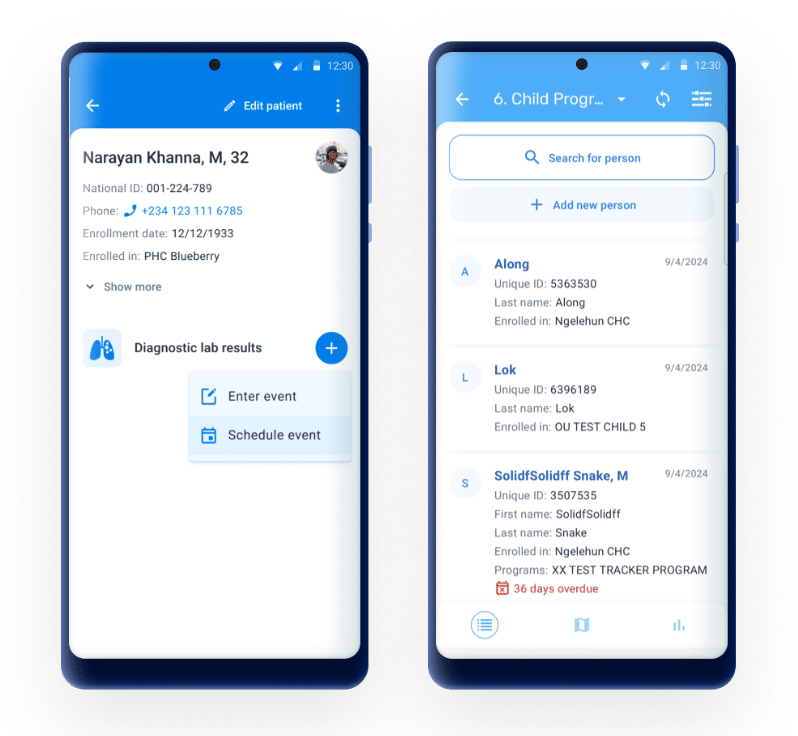
    • Collect data with or without reliable internet connectivity with the DHIS2 Android app, syncing when connections are available. 
    • Run local analytics in real-time on your Android device in offline mode.
    • Flexible deployment options including support for offline hosting and local networks.

    Security, privacy and data sovereignty

    • Decide and control where you host your data: in-house, on-premise, national data centers, cloud-based and SaaS providers.
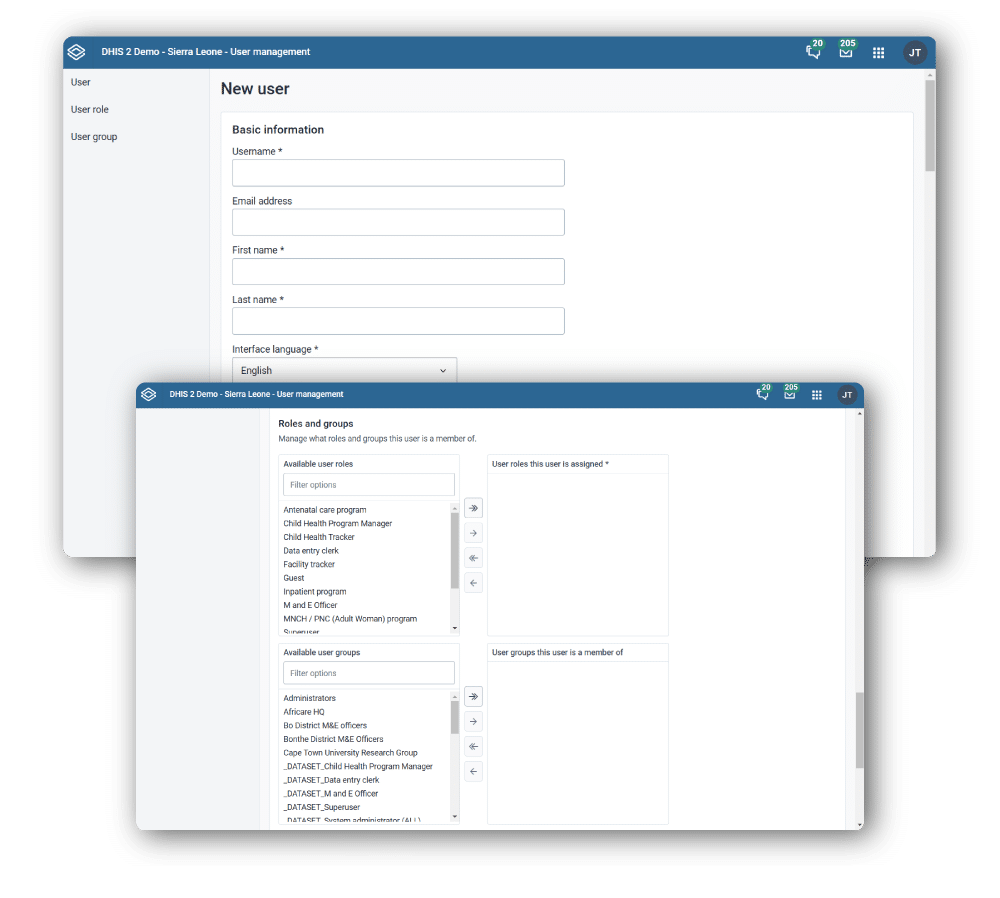
    • Protect data confidentiality and privacy with robust access controls and user management.
    • Maintain high security with updated DHIS2 releases, hotfixes and improvements to address vulnerabilities.

    Explore security features

    Individual record management for continuity of care

    • Reach displaced persons, patients, children and vulnerable groups where they are to enroll in programs for access to essential services and maintain individualized continuity of care even in crisis environments. 
    • Maintain continuity of services, whether medical care, protection follow-up or education enrollment, when populations move between locations during displacement.
    • Generate working lists to help program staff follow up on missed appointments, referrals and case actions.

    Explore data collection features

    Disease surveillance & early warning

    • Detect and respond to emerging risks, from disease outbreaks to protection concerns and food-insecurity.
    • Support community-based surveillance, feeding data to national monitoring units and early warning systems.
    • Combine surveillance data with population displacement and access information for a fuller risk picture.

    Explore DHIS2 for Disease Surveillance

    Supply chain & logistics

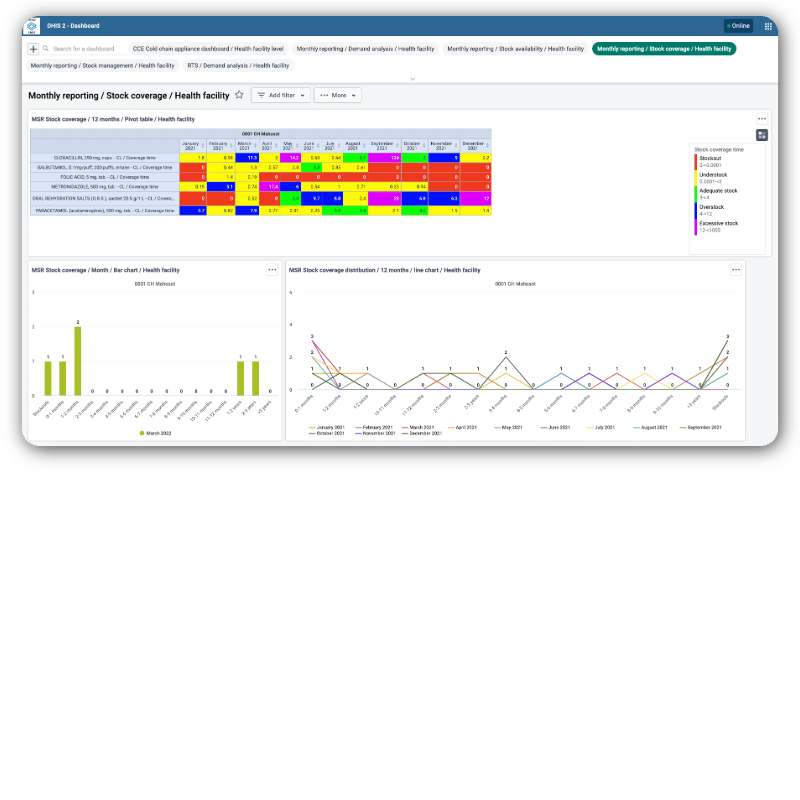
    • Track commodities and stock at the point of distribution, whether that be a facility, outreach post or other points of care reaching displaced populations.
    • Integrate site-level stock data with service delivery data, risk maps and other sources to improve resource allocation.
    • Support planning and resupply decisions where logistics networks are under strain.

    Explore DHIS2 for Logistics

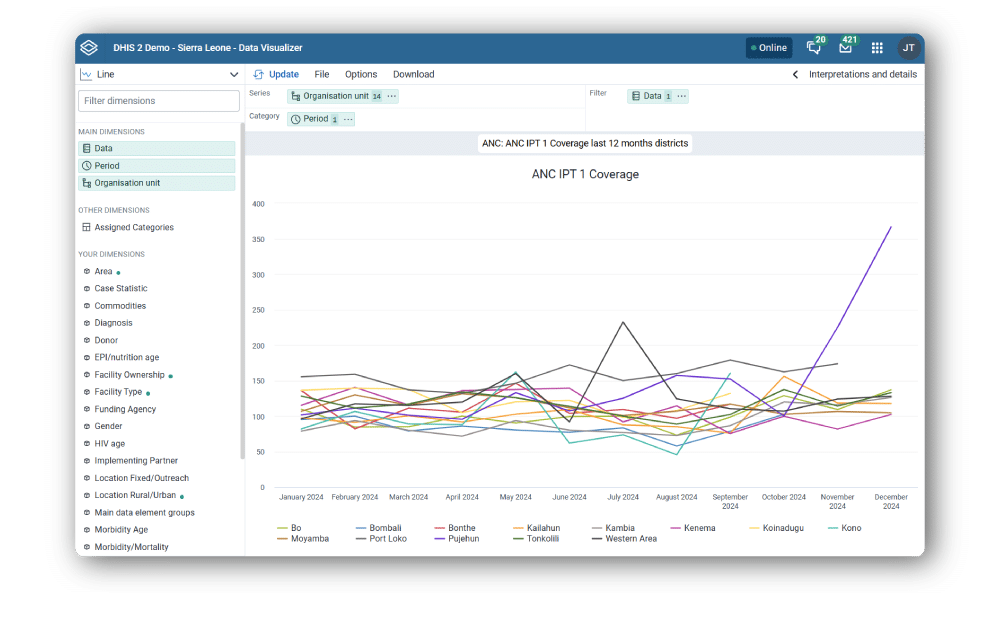
    Real-time analytics & geospatial analysis

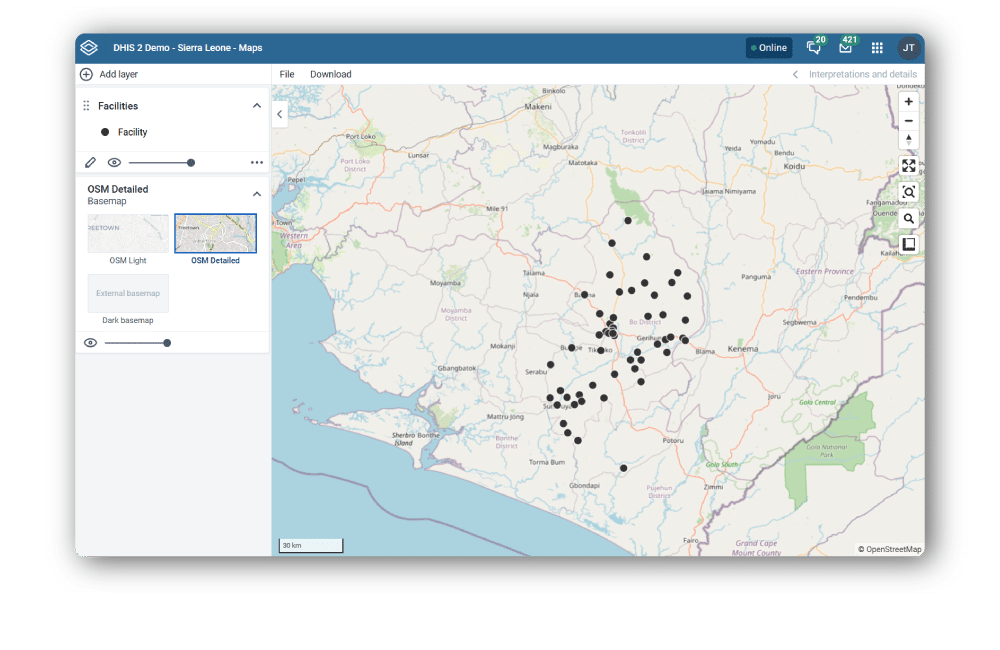
    • Map facilities and outreach points, service coverage, and population needs across administrative areas and sectors.
    • Identify service gaps to help humanitarian actors and clusters target resources.

    Explore analysis features

    Interoperability & system integration

    • Connect DHIS2 with cluster coordination systems and sector-specific information systems, including education (including education-in-emergencies), nutrition, protection among others.
    • Exchange data with national information systems, supporting a transition from emergency to routine systems over time.
    • Support coordination and data sharing across government, UN, and NGO partners operating in the same response.

    Explore interoperability features

    Humanitarian use cases supported by DHIS2

    While the features above are broadly applicable, DHIS2 has been adapted to support humanitarian response across multiple regions and crisis types. The examples below show how governments, NGOs, and international organizations are leveraging DHIS2 in humanitarian responses.

    • Immunization in conflict settings: In northwest Syria, the Assistance Coordination Unit used a DHIS2-based e-Tracker to manage immunization data across its network of centers during the country’s civil war, registering more than 242,000 children and helping health workers follow up with families who miss appointments. 
    • Displacement response and cross-border referral: Egypt’s Ministry of Health and Population rolled out a DHIS2 tracker in 45 days to screen displaced Sudanese children and women for malnutrition, later extending the platform to coordinate hospital care for Palestinians referred from Gaza to Egyptian facilities. 
    • Reproductive health data under conflict: Palestine’s Ministry of Health, with support from UNFPA, launched a real-time dashboard on DHIS2 to track sexual and reproductive health services for more than 545,000 women in Gaza, helping identify service gaps despite the near-total collapse of the territory’s health infrastructure. 
    • Health commodity management: The International Committee of the Red Cross integrated DHIS2 with its institutional supply chain management system to improve pharmacy stock visibility, piloted at health facilities in Somalia. 
    • National recovery after conflict In Syria: The Ministry of Health has worked with international partners to scale DHIS2 as part of the country’s broader health system recovery, following a 2025 workshop in Damascus on strengthening national health information infrastructure. 

    Where is DHIS2 used for humanitarian programs?

    Explore our interactive map to see where NGOs and IGOs are using DHIS2, including many humanitarian programs in countries around the world.