
Kenya launches DHIS2 for case-based eye care program
A three-day workshop in Kisumu brought public and private eye care providers together to build a DHIS2 Tracker program that follows individual eye patients from screening through treatment.
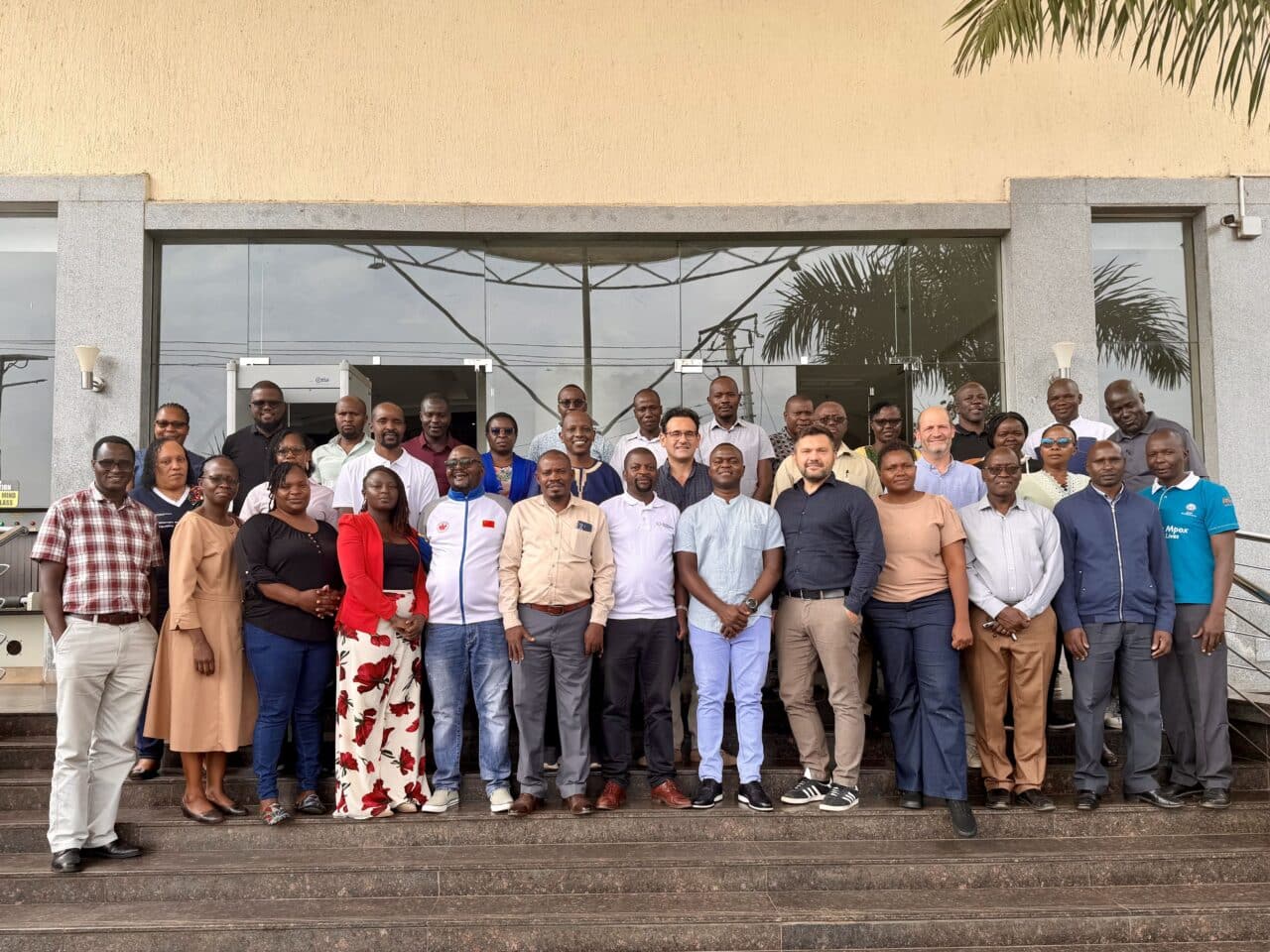
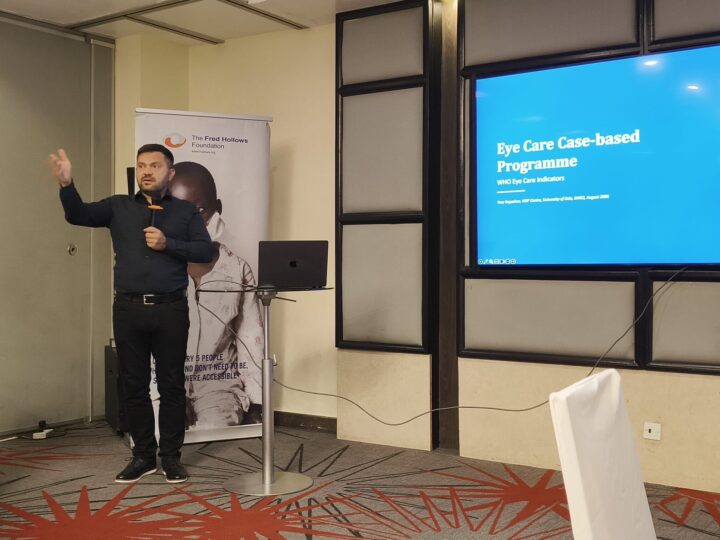
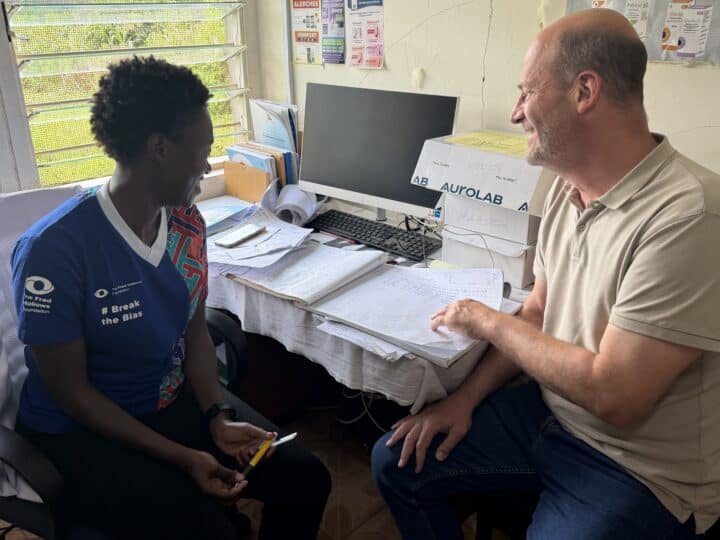
The Ministry of Health of Kenya, with support from the World Health Organization (WHO), Peek Vision and the Fred Hollows Foundation, held a three-day multi-stakeholder workshop in Kisumu, Kenya, to align the country’s eye care health management information system (HMIS) with the new WHO indicators for case-based reporting. HISP Centre consultant Yury Rogachev and WHO technical advisor Dr. Wouter De Groote presented at the workshop and visited facilities across the Lake Basin Region to support the Ministry of Health team through the process.
Kenya is the first country to align a case-based eye care program in DHIS2 with the new WHO indicators, and the first of two countries in a new HISP Centre initiative to produce a global toolkit and implementation guidance for case-based eye care programs.
Where aggregate reporting counts the services a facility delivers, a program built on DHIS2 Tracker follows individual patients from screening and diagnosis through referral, treatment and follow-up—making it possible to see where people drop out along the way, rather than only how many were seen.
This kind of tracking is already in use in the region. The Ministry of Health of Rwanda uses an eye tracker in its national DHIS2 instance to follow patients from registration through referral to surgery, recording more than 360,000 registrations, 60,000 referrals and 18,000 surgeries over four years, along with improvements in eye data quality.
The groundwork for this work in Kenya has been laid over several years. WHO Member States adopted resolution WHA73.4 on integrated people-centred eye care in 2020, WHO’s Eye Care Indicator Menu followed in 2022, and a DHIS2 metadata package for aggregate eye and ear care reporting was released in 2023. Case-based reporting is the next step in that progression.
Kenya is well placed to take it. Eye care in the country is delivered through both public facilities and a network of private and faith-based eye clinics and hospitals, all of which treat patients on site and provide community services. Community cases will be registered where they have been screened or assessed by facility professionals and referred on for treatment, so that the initial contact and the care that follows are recorded as a single patient pathway in the Kenya Health Information System, the national DHIS2 instance, rather than as separate reporting streams.
Kenya’s program breaks new ground on indicator alignment, and follows earlier case-based eye care work in the region. The Ministry of Health of Rwanda introduced an eye tracker in its national DHIS2 instance and scaled it across public and private facilities, using it to register patients, manage referrals and follow up on cataract surgery. By 2024, the ministry reported more than 360,000 patient registrations, 60,000 referrals and 18,000 surgeries over four years, along with gains in eye data quality. Rwanda’s program was built before the WHO indicator menu existed; Kenya’s work will test how a case-based eye care program maps to the new indicators.
Because Kenya is the first to build a program around the new WHO indicators, the experience will help shape the forthcoming WHO and DHIS2 global guidance for implementing case-based eye care programs.
Implementation of this program in Kenya will be supported by HISP Kenya, including local technical support and training for the Ministry of Health that will help transition the system to full local ownership.
Teams that are interested to learn about the indicators, planning a case-based eye care program, or running electronic medical records that feed into a strong eye care register, please contact our team at post@dhis2.org.